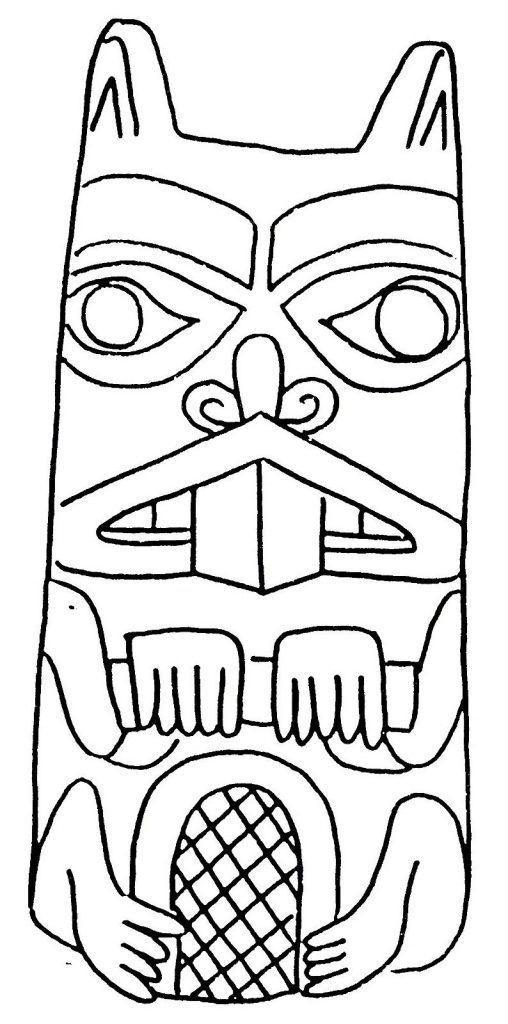
A growing collection of high-resolution coloring sheets — animals, cartoon characters, holidays, and more. Print and enjoy at home or in the classroom.
Explore the CollectionWelcome
Coloring Fun for Every Child
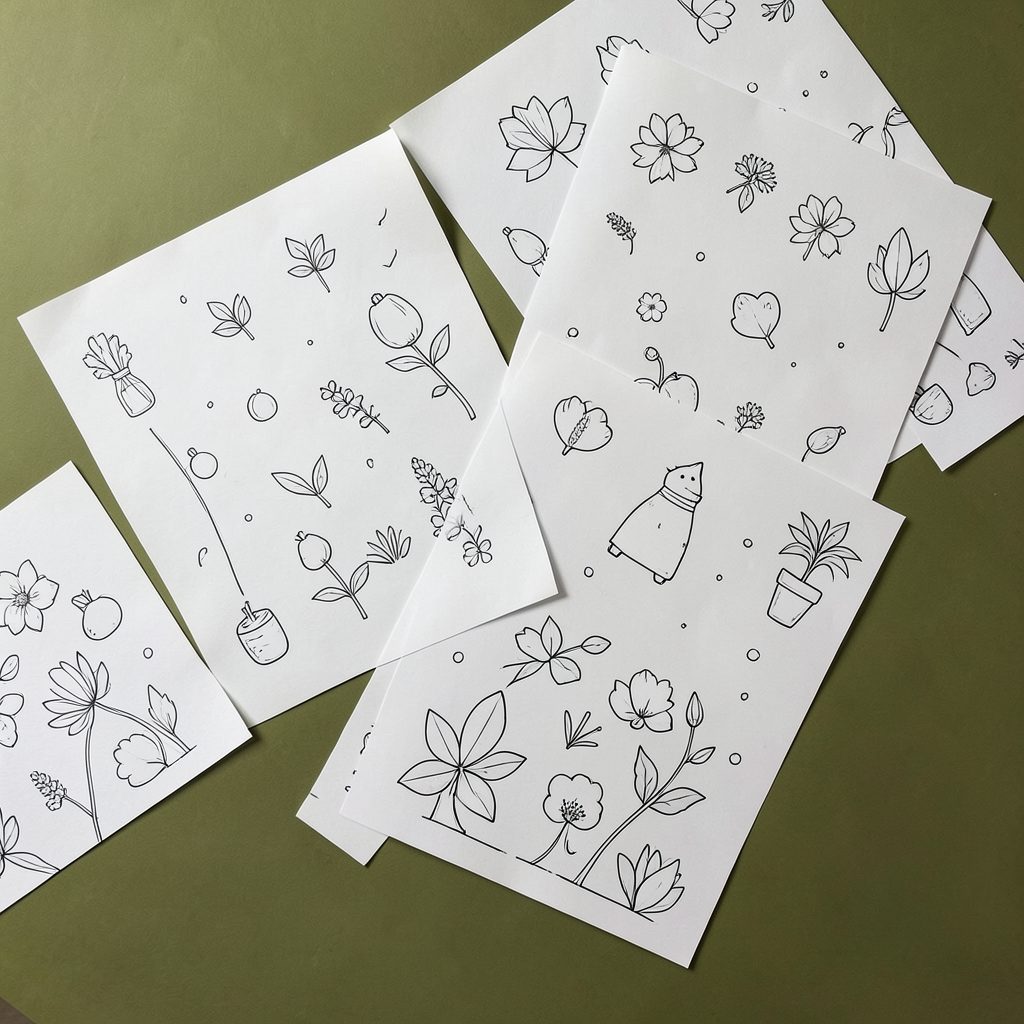
presentcontemporaryart brings together an extensive library of free printable coloring pages. From friendly giraffes and adventure-time characters to seasonal holiday sheets, there is something here to spark every child's creativity. All pages are easy to download and print at high resolution — perfect for rainy afternoons, classroom activities, or quiet time at home.

Animals & Nature
Giraffes, goldfinches, orioles, and woodland creatures — a wide selection of animal coloring pages for young nature lovers.

Cartoon Characters
Adventure Time, Land Before Time, Justin Time, and more beloved characters ready to be brought to life with color.

Holidays & Seasons
Halloween, New Year, and seasonal coloring sheets to celebrate special times throughout the year.
Color With Purpose: Learning About the Human Body
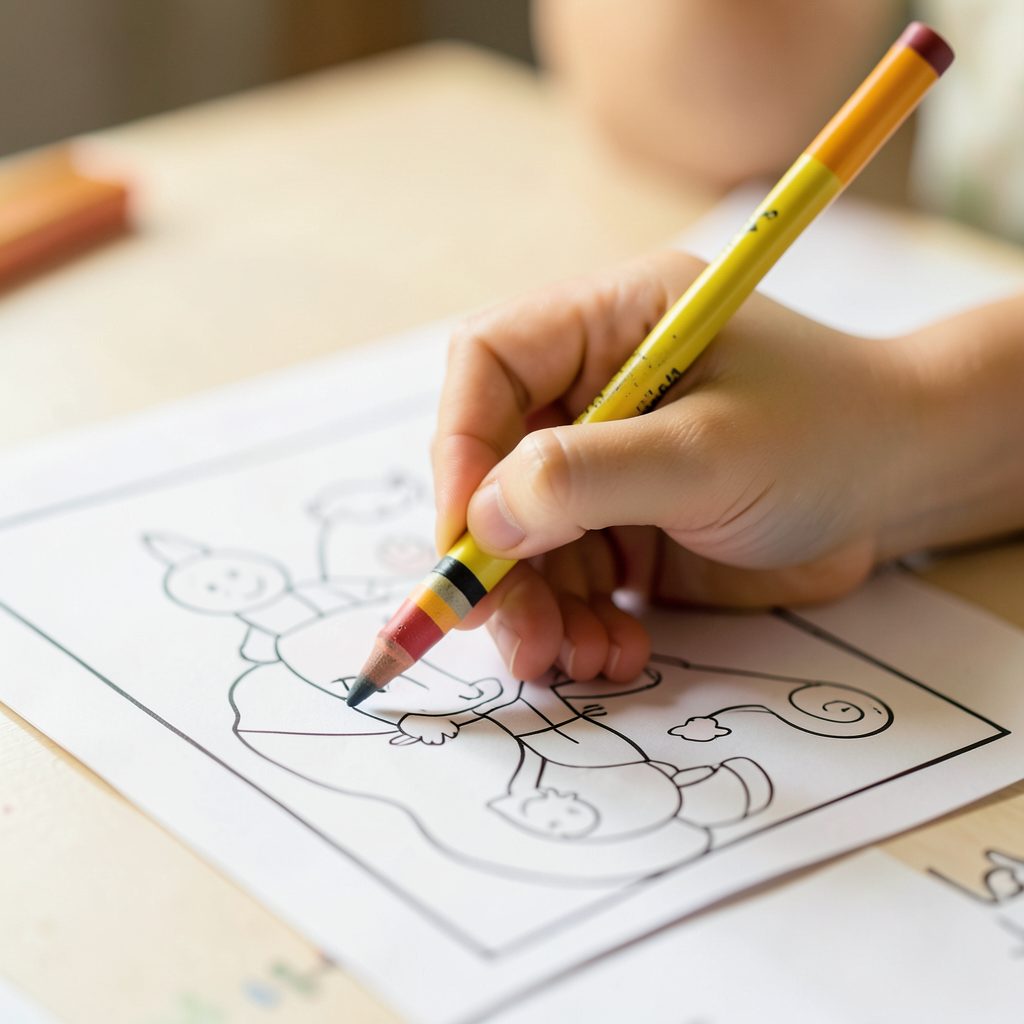
Coloring pages can turn a lesson about anatomy into an active, memorable experience. As children fill in bones, muscles, organs, and body systems, they practice vocabulary while noticing how different parts fit together.
Printable human body worksheets work well for homes, classrooms, homeschool lessons, and quiet creative time. They can introduce a topic before a science lesson, reinforce facts afterward, or give children a visual way to review what they have learned.
Present Contemporary Art offers free printable resources that make this kind of learning easy to arrange. Children can download pages without registration, choose an age-appropriate design, and use crayons, colored pencils, or markers to explore the body.
Why anatomy coloring supports learning
Coloring requires children to look closely at shapes, labels, and positions. That visual attention can help them remember where the heart sits, how the lungs are arranged, or which bones belong to the arm and leg.
The activity also encourages children to connect words with images. A page labeled “skull” or “spine” gives a child a concrete reference, while repeated coloring and discussion strengthen recall of basic anatomy terms.
This approach suits different learning styles. Some children understand a diagram more easily when they can interact with it, add color, and explain each part in their own words.
Body systems children can explore
A simple worksheet may focus on one body part, while a more detailed illustration can introduce a complete human body diagram. Start with familiar areas such as the head, hands, feet, and torso before moving toward internal organs.
As children grow more confident, they can explore the skeletal, muscular, respiratory, digestive, circulatory, and nervous systems. Each system offers a clear connection between structure and function, such as bones providing support or lungs helping the body use oxygen.
Use color themes to make the lesson easier to follow. For example, children might color bones white or pale gray, muscles red, the digestive tract green, and the respiratory system blue. The exact colors are less important than keeping the choices consistent and explaining what each system does.
A simple guide for choosing pages
The best page depends on the child’s age, attention span, and current science topic. Large shapes and limited labels are suitable for younger learners, while older children can work with cross-sections, organ diagrams, and more detailed terminology.
| Learning focus | Suitable page | Useful activity |
|---|---|---|
| Body-part recognition | Full-body outline | Name and color visible body parts |
| Bones and joints | Skeleton illustration | Label the skull, ribs, spine, and limbs |
| Internal organs | Organ placement diagram | Match each organ with its main function |
| Healthy habits | Body care scene | Discuss sleep, movement, food, and hygiene |
| Body systems | Detailed anatomy worksheet | Use a color key and review vocabulary |
A printable page can become more valuable when paired with conversation. Ask children to point to a body part, describe its job, or explain what might happen if a system could not work properly. Keep explanations accurate but simple, especially for younger students.
Turn coloring into a complete lesson
Begin with a short overview using a picture book, classroom model, or child-friendly video. Then give the learner a coloring page that matches the subject. This sequence gives children enough background to understand what they are coloring without making the activity feel like a test.
After coloring, invite children to create labels, arrows, or a mini glossary. They can write “pumps blood” beside the heart, “protects the brain” beside the skull, or “helps us breathe” beside the lungs. These short notes reinforce both science concepts and writing skills.
Creative comparisons can make anatomy less intimidating. A body can be described as a working community, with each organ performing a specific task. Children who enjoy buildings may also connect the idea to whimsical building pages, imagining how rooms and structures have different purposes.
Recommendations for meaningful practice
Keep the activity relaxed and allow children to make artistic choices while guiding the scientific content. A bright purple muscle is perfectly acceptable when the child can still identify its location and role.
Use several short sessions instead of expecting a child to finish a complex anatomy page at once. Save completed sheets in a science folder so children can compare early work with later, more detailed studies.
- Choose one body system at a time for focused learning.
- Add labels and simple definitions after coloring.
- Encourage children to explain each part aloud.
- Pair anatomy pages with lessons about exercise, nutrition, sleep, and hygiene.
- Display finished diagrams as review materials.
Adapt pages for different ages
Preschool children can begin with outlines of the body, faces, hands, and five senses. Adults can name each part while the child colors, helping build early vocabulary without introducing too many scientific terms at once.
Elementary students may enjoy skeletons, organs, and body-system pages with clear labels. They can use a color key, copy terms, and complete simple matching exercises. Older learners can add functions, compare systems, or create a labeled diagram from memory after using a reference page.
Children with different motor abilities can benefit from larger illustrations, thicker coloring tools, or pages divided into smaller sections. Digital coloring may be useful when printing or pencil control is difficult, while verbal descriptions and partner work can support children who prefer discussion.
Make anatomy a regular creative activity
Human body coloring pages give children a friendly entry point into science. They transform abstract vocabulary into visible shapes and make review feel hands-on rather than repetitive.
Download a few free printable designs from Present Contemporary Art, choose a body-related theme, and set up a small learning station with coloring tools, labels, and a science book. With regular practice, each finished page can become a colorful record of growing knowledge.
Also Discover
A Legacy in Contemporary Art
Beyond coloring pages, presentcontemporaryart has a history as an association of art collectors and patrons — Associazione di Collezionisti e Mecenati. The organization promoted international exhibitions connecting Chinese, Italian, and international artists, with past events in Shanghai and Berlin.


Ready to Start Coloring?
Browse the full collection of free printable coloring pages — all just a click away.
View All Coloring Pages