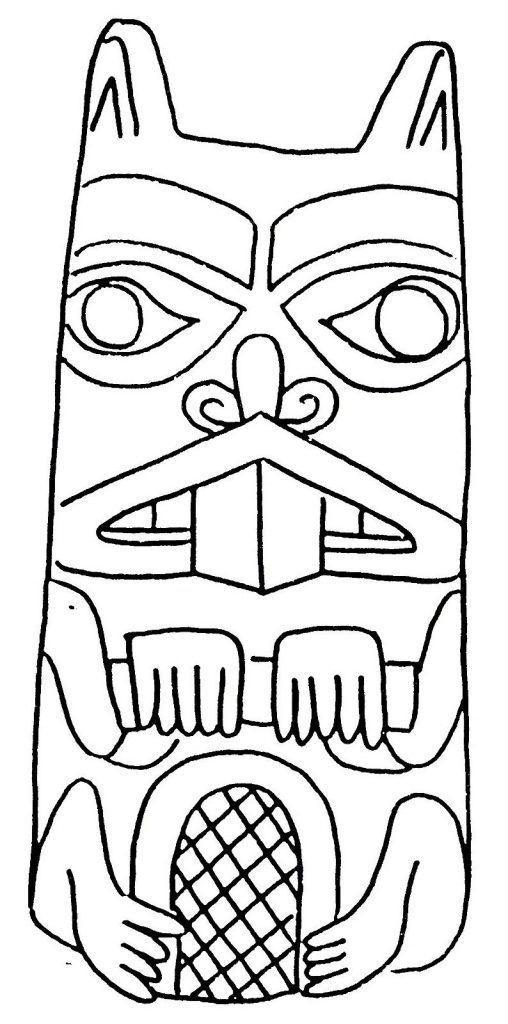
A growing collection of high-resolution coloring sheets — animals, cartoon characters, holidays, and more. Print and enjoy at home or in the classroom.
Explore the CollectionWelcome
Coloring Fun for Every Child
presentcontemporaryart brings together an extensive library of free printable coloring pages. From friendly giraffes and adventure-time characters to seasonal holiday sheets, there is something here to spark every child's creativity. All pages are easy to download and print at high resolution — perfect for rainy afternoons, classroom activities, or quiet time at home.
Animals & Nature
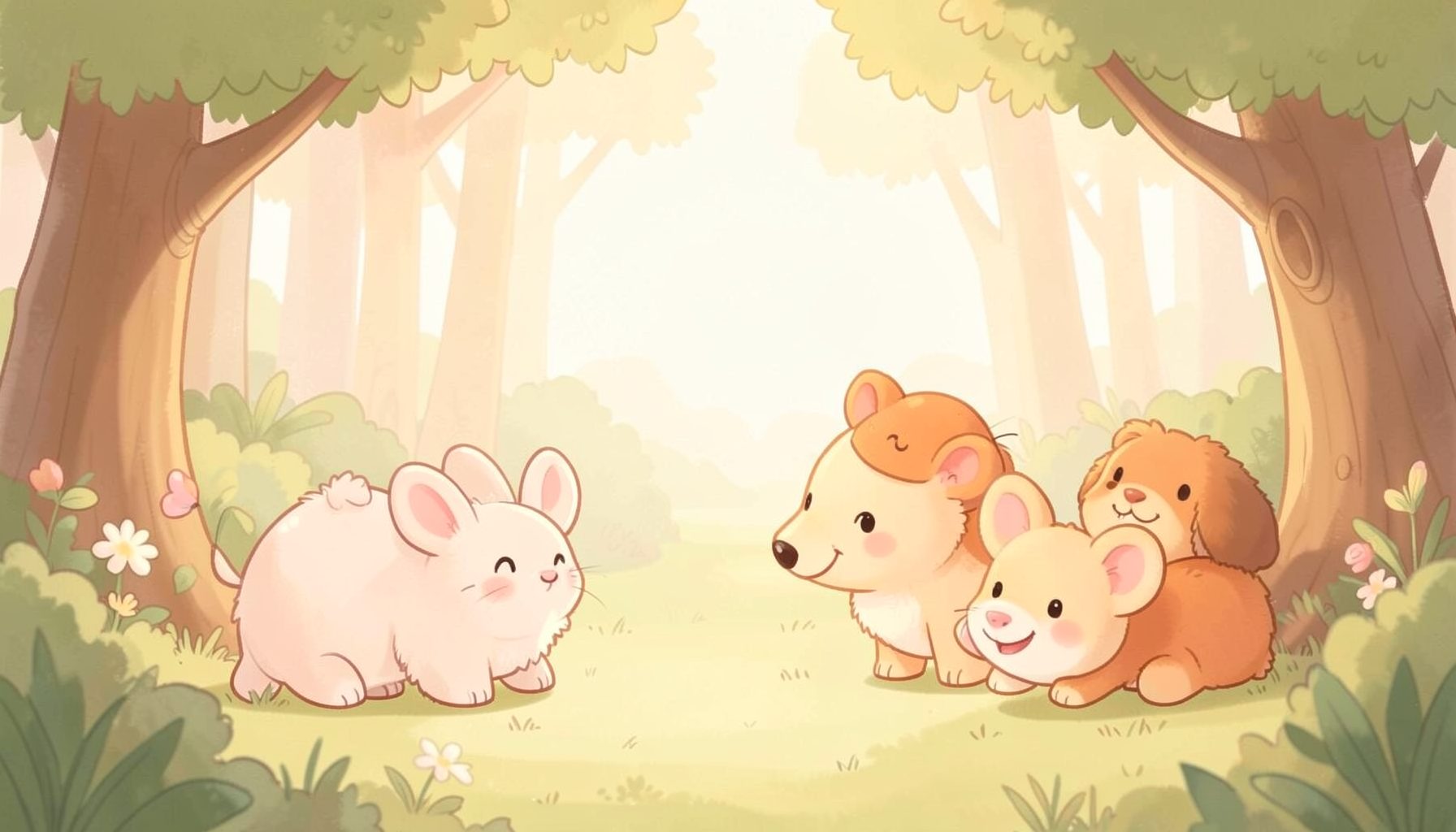
Giraffes, goldfinches, orioles, and woodland creatures — a wide selection of animal coloring pages for young nature lovers.

Cartoon Characters
Adventure Time, Land Before Time, Justin Time, and more beloved characters ready to be brought to life with color.
Holidays & Seasons
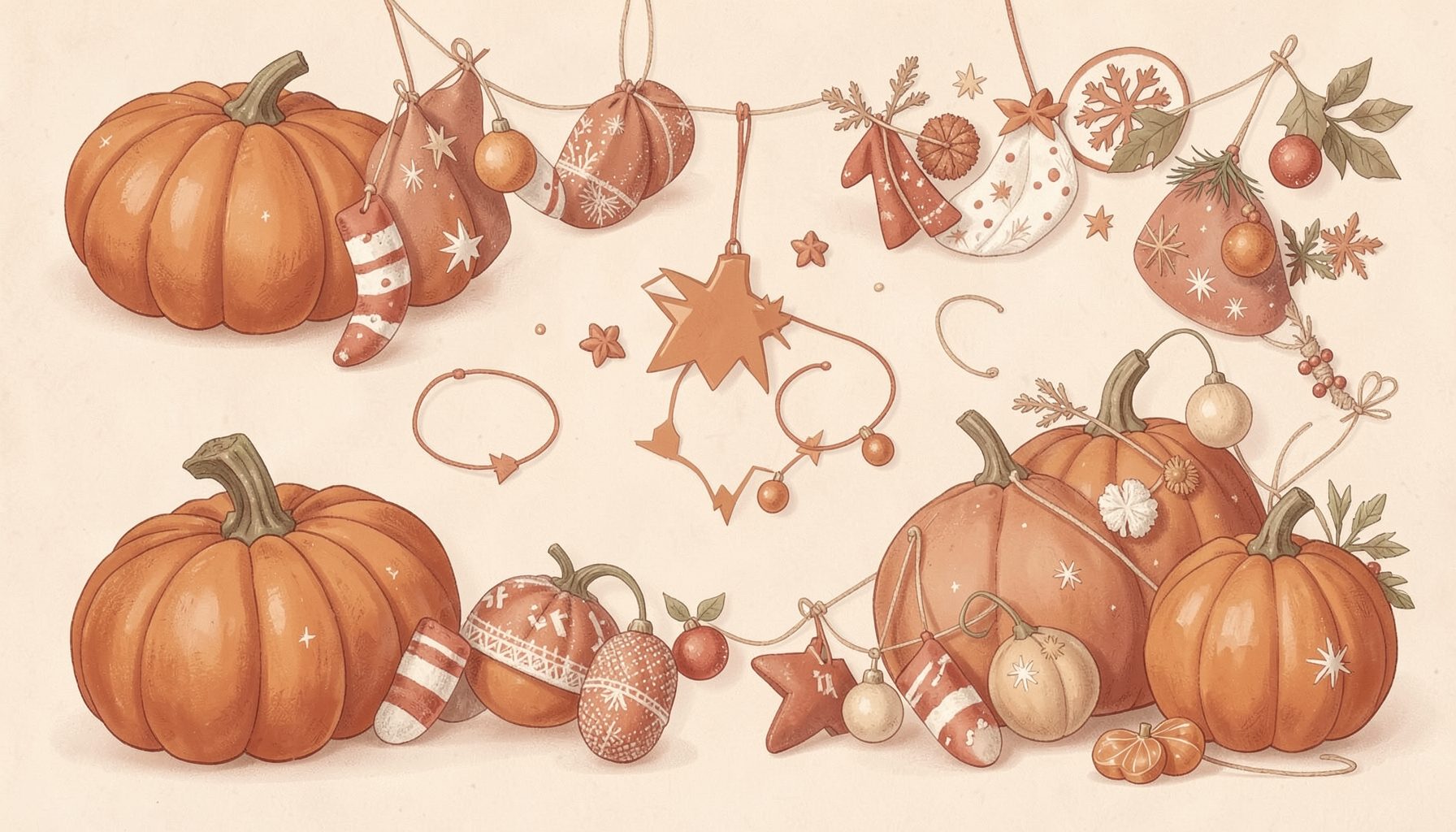
Halloween, New Year, and seasonal coloring sheets to celebrate special times throughout the year.
Colouring Through Australia’s Four Seasons
Seasonal colouring activities help children notice how the world changes throughout the year. A printable page can turn everyday observations—falling leaves, bright sunshine, winter rain or spring flowers—into an opportunity to practise vocabulary, fine motor control and careful looking.
For Australian children, the seasons can feel different from pictures made for the Northern Hemisphere. Christmas arrives during summer, autumn leaves may be subtle in many regions, and winter can mean crisp mornings in Canberra or mild days in Brisbane. Local examples make four-seasons learning more meaningful.
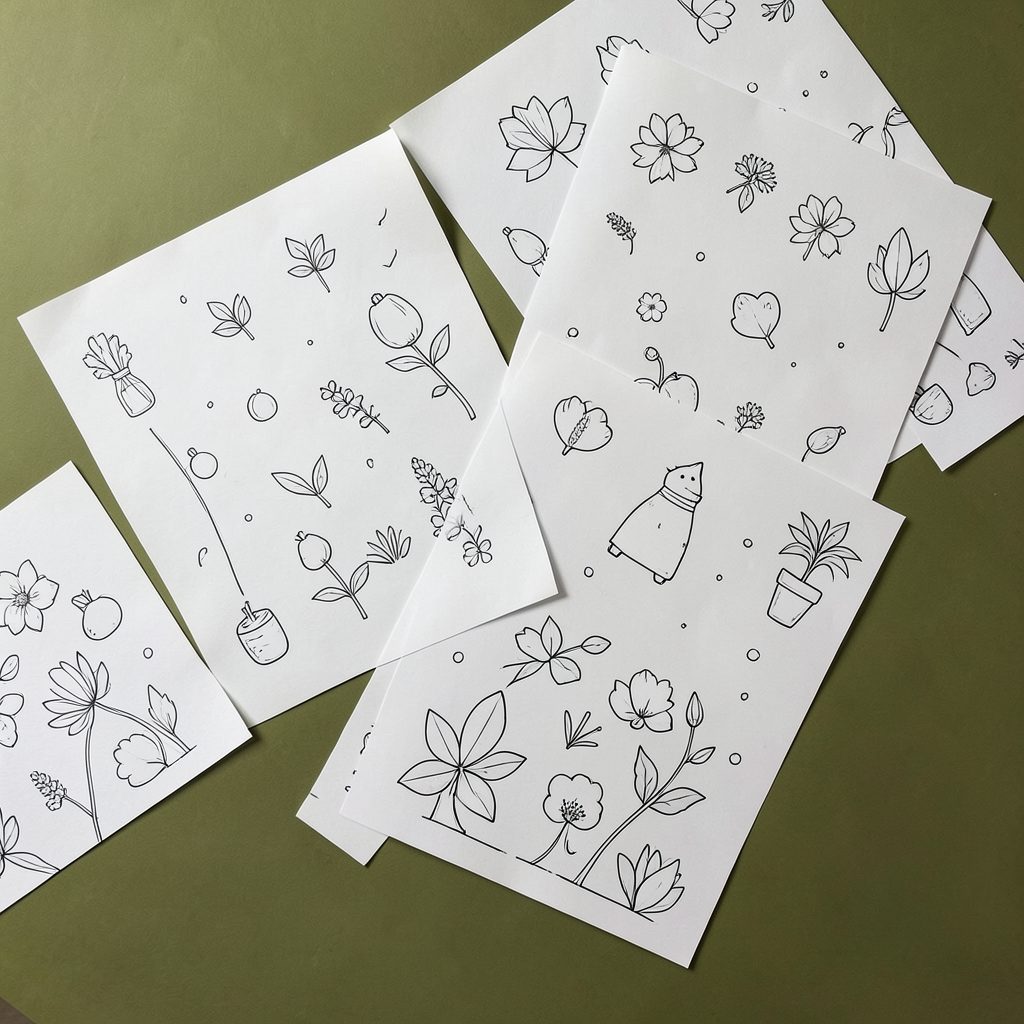
Free colouring pages are especially useful because families and teachers can download them without registration, print them when needed and reuse the activity in different ways. They work well at home, in early learning settings, or as a quiet classroom task after a nature walk.
Making Seasonal Changes Easy To See
Begin with a simple discussion about weather, plants, clothing and daylight. Ask children to colour a summer scene with a sun hat and water bottle, then compare it with a winter scene showing a jumper, boots or an umbrella. The contrast encourages children to identify details rather than colour every picture in the same way.
Australian settings provide plenty of familiar references. Children might draw a beach towel for summer, golden wattle for spring, wet gum leaves after autumn rain, or a frost-covered oval in winter. In tropical parts of Queensland and the Northern Territory, the wet and dry seasons are also important, so teachers can explain that local climates do not always match a standard four-season chart.
A seasonal worksheet can introduce words such as warm, cool, breezy, cloudy, humid, dry, blossom, harvest and shelter. Older children can write a sentence beside their picture, while younger children can match illustrated objects to the season in which they are most likely to see them.
Building Vocabulary Through Colour
Colour choices can support language without becoming a test with one correct answer. A spring garden may include green leaves and pink flowers, but children can choose unusual colours and explain their decisions. This encourages descriptive speech, imagination and confidence.
Teachers can place seasonal colouring sheets beside real objects, such as leaves, seed pods, shells or photographs. At a Melbourne preschool, children might compare a rainy autumn page with the leaves collected in the playground. In Perth, a discussion could include dry grass and bright winter sunshine, while a Hobart class may notice cooler temperatures and stronger seasonal changes.
Children can also label pictures with words or short phrases. Useful prompts include “I can see…”, “The weather feels…”, and “People wear…”. These sentence starters make the activity suitable for English learners and help connect visual art with early literacy.
Connecting Seasons With Place
Seasonal pictures become more engaging when they are linked to geography. A page showing a snowy mountain can lead to a conversation about the Australian Alps, while a summer beach scene may bring up the Great Barrier Reef, the Gold Coast or a local swimming spot. Children learn that weather and landscapes vary across the same country.
Map activities can extend this idea. After colouring a seasonal landscape, children can locate where it might occur, practise left and right, or trace a route from home to a park. A related activity about maps and directions can help connect seasonal observation with early geography skills.
It is also useful to discuss how First Nations communities have long observed seasonal indicators such as flowering plants, animal behaviour and changing winds. Educators can present local seasonal knowledge respectfully and use regional examples rather than suggesting that one calendar applies everywhere in Australia.
Ideas For Home And Classroom Use
A printable page can be part of a larger activity rather than an isolated craft. Before colouring, children might look outside, check the temperature, listen for birds or find signs of change in a garden. Afterwards, they can describe which clues helped them decide on the season.
Quick activities
- Create a four-part seasonal wheel with one page for each season.
- Add a weather symbol and date to every finished drawing.
- Collect natural objects and match them to a coloured scene.
- Make a classroom display showing local seasonal words.
Learning extensions
- Sort clothing, foods and outdoor activities by season.
- Write a short weather report for Sydney, Darwin or a local town.
- Compare Australian seasons with those in the Northern Hemisphere.
- Count flowers, leaves, clouds or animals in each illustration.
Parents can keep a small folder of completed pages and revisit it across the year. This gives children a visual record of changing interests and helps them notice that seasons return in a predictable cycle.
Choosing Pages For Different Ages
The best printable colouring sheet depends on the child’s stage of development. Toddlers benefit from large shapes and a few recognisable objects, while preschoolers can manage scenes with several details. Primary-aged children may enjoy adding captions, comparing regions or researching why daylight and temperature change.
A practical selection guide can help families and educators choose an appropriate activity:
| Age or stage | Suitable page features | Learning focus |
|---|---|---|
| Toddlers | Large outlines, familiar weather symbols, few objects | Naming colours and seasonal items |
| Preschool | Plants, clothing, animals and simple scenes | Sorting, speaking and fine motor control |
| Early primary | Detailed landscapes and activity scenes | Vocabulary, observation and sentence writing |
| Older primary | Regional settings and comparison prompts | Geography, research and environmental awareness |
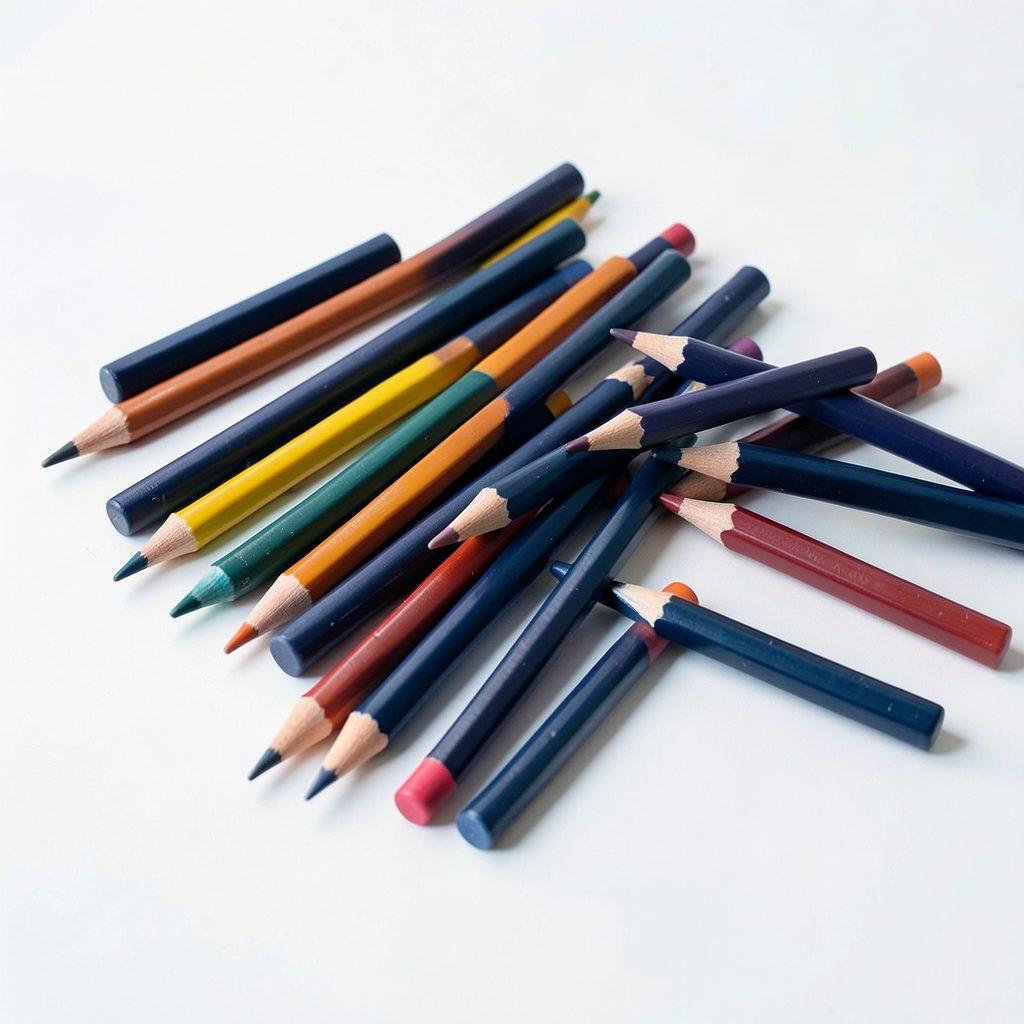
Keep pencils, crayons or markers within easy reach and allow children to work at their own pace. There is no need to insist that every sky is blue or every autumn leaf is orange; creative choices can lead to useful conversations about observation and imagination.
With free seasonal colouring pages, children can explore the calendar through art while building an understanding of their own surroundings. A summer sheet may recall a day at the beach, a winter picture may reflect a frosty inland morning, and a spring garden may inspire a search for flowers in the school grounds. Each page becomes a small, practical way to connect learning with Australian life.
Also Discover
A Legacy in Contemporary Art
Beyond coloring pages, presentcontemporaryart has a history as an association of art collectors and patrons — Associazione di Collezionisti e Mecenati. The organization promoted international exhibitions connecting Chinese, Italian, and international artists, with past events in Shanghai and Berlin.


Ready to Start Coloring?
Browse the full collection of free printable coloring pages — all just a click away.
View All Coloring Pages