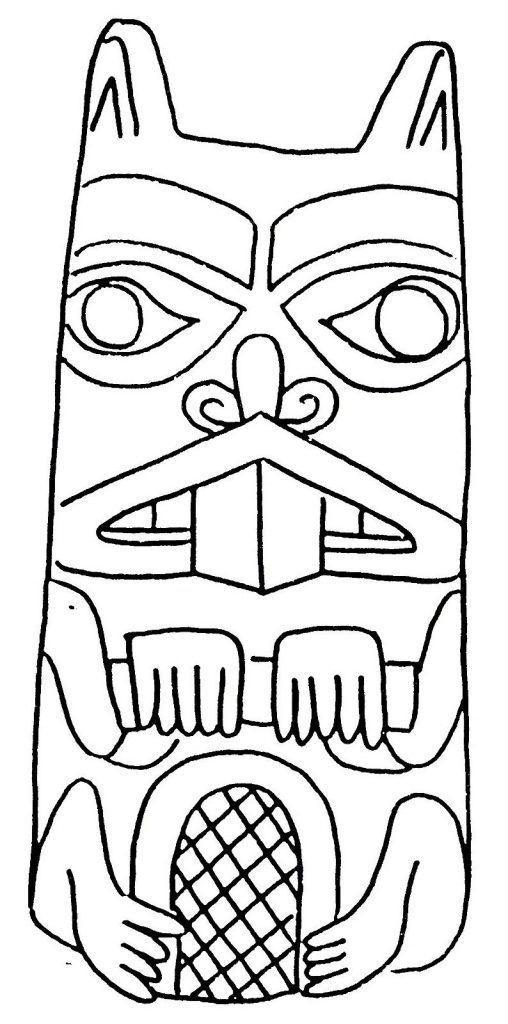
A growing collection of high-resolution coloring sheets — animals, cartoon characters, holidays, and more. Print and enjoy at home or in the classroom.
Explore the CollectionWelcome
Coloring Fun for Every Child
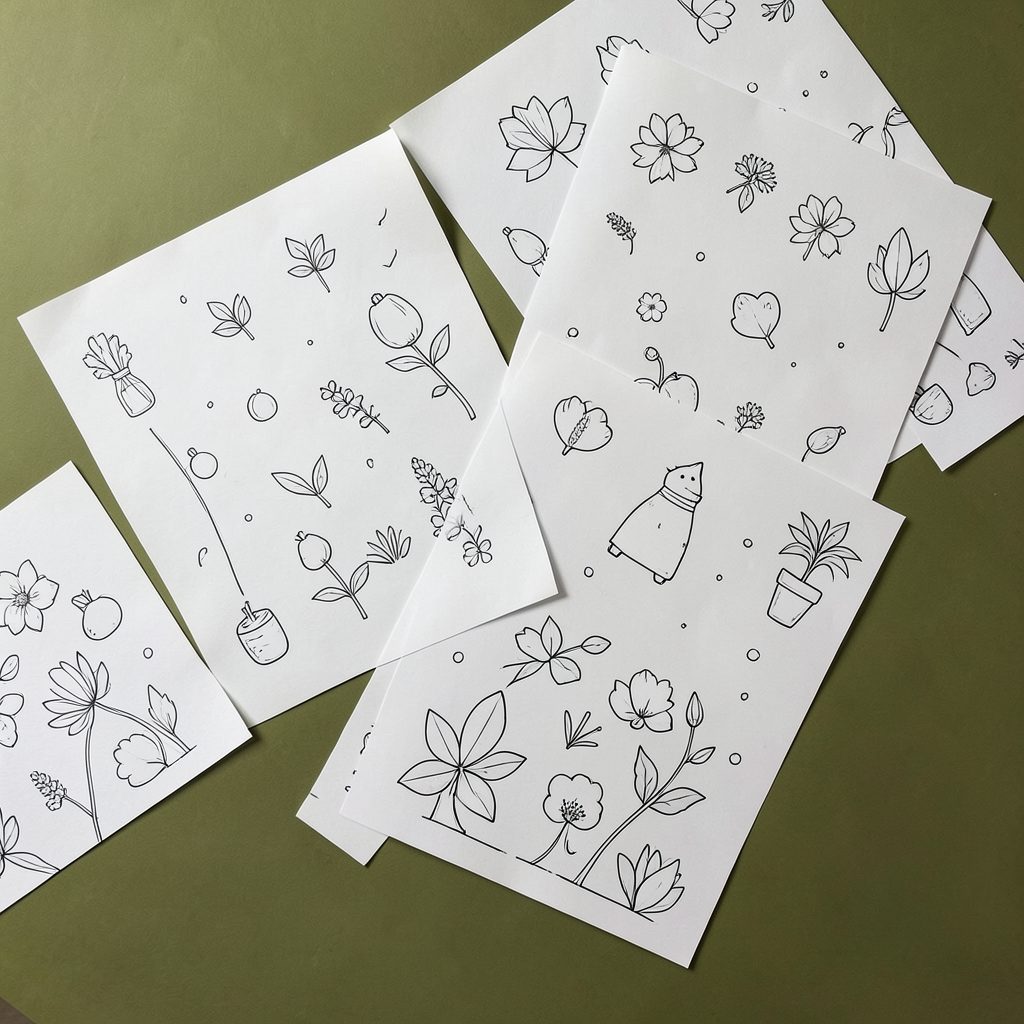
presentcontemporaryart brings together an extensive library of free printable coloring pages. From friendly giraffes and adventure-time characters to seasonal holiday sheets, there is something here to spark every child's creativity. All pages are easy to download and print at high resolution — perfect for rainy afternoons, classroom activities, or quiet time at home.
Animals & Nature
Giraffes, goldfinches, orioles, and woodland creatures — a wide selection of animal coloring pages for young nature lovers.
Cartoon Characters
Adventure Time, Land Before Time, Justin Time, and more beloved characters ready to be brought to life with color.
Holidays & Seasons
Halloween, New Year, and seasonal coloring sheets to celebrate special times throughout the year.
Coloring pages for learning about the desert ecosystem
The desert may look empty at first glance, but it is a lively ecosystem filled with plants, animals, insects, rocks, and changing weather. Printable desert coloring pages give children a simple way to notice these details while building an early understanding of habitats and nature.
As children color a cactus, camel, lizard, or desert tortoise, they can connect each picture with a fact about survival. They begin to see how living things find water, avoid extreme heat, and use camouflage in sandy or rocky surroundings.
Present Contemporary Art offers free coloring sheets that can be downloaded and printed without registration. Families, teachers, and activity leaders can use these pages for quiet play, science lessons, nature units, or creative time at home.
Discovering life in a dry habitat
A desert ecosystem receives very little rainfall, yet it supports many forms of life. Children can learn that deserts may include sand dunes, rocky plains, dry grasslands, and areas with shrubs or seasonal flowers. A picture-based activity makes these differences easier to discuss.
Invite children to identify what belongs in the habitat. A cactus stores water, a roadrunner moves quickly across hot ground, and a scorpion often stays hidden during the hottest part of the day. Coloring turns each example into a memorable visual reference.
Animals with remarkable adaptations
Desert animals have special traits that help them live with limited water and intense sunlight. Large ears can release heat, padded feet can protect animals from hot sand, and pale coloring can help reflect sunlight. These details offer useful vocabulary for early science learning.
A coloring page featuring a camel, fennec fox, snake, or lizard can lead to a short conversation about adaptation. Children may color fur, scales, claws, and eyes while learning how each body part supports movement, protection, feeding, or temperature control.
Plants that conserve water
Desert plants provide an excellent way to explain water conservation. Cacti and succulents may have thick stems, waxy surfaces, shallow roots, or spines instead of broad leaves. These features help reduce water loss and protect the plant from hungry animals.
Encourage children to use different greens, yellows, and browns to represent desert vegetation. They can compare a tall saguaro cactus with a low desert shrub and discuss how both plants can survive in a dry environment.
Connecting pictures with science facts
Coloring pages become stronger learning tools when children pair visual details with short facts. A parent or teacher can write a word beside each illustration, such as “nocturnal,” “camouflage,” “burrow,” or “water storage.” Older children can add their own labels and captions.
| Desert feature | Example | Learning idea |
|---|---|---|
| Water storage | Cactus stem | Plants can hold water in special tissues |
| Heat protection | Fennec fox ears | Body parts may help release heat |
| Camouflage | Sand-colored lizard | Colors can help animals blend into surroundings |
| Night activity | Owl or scorpion | Some animals avoid daytime heat |
| Shelter | Animal burrow | Underground spaces offer shade and cooler temperatures |
The activity can also include a simple observation challenge. Ask children to find three textures, two forms of shelter, and one example of protection in the picture. This encourages careful looking while reinforcing the relationship between an organism and its habitat.
Making activities suitable for different ages
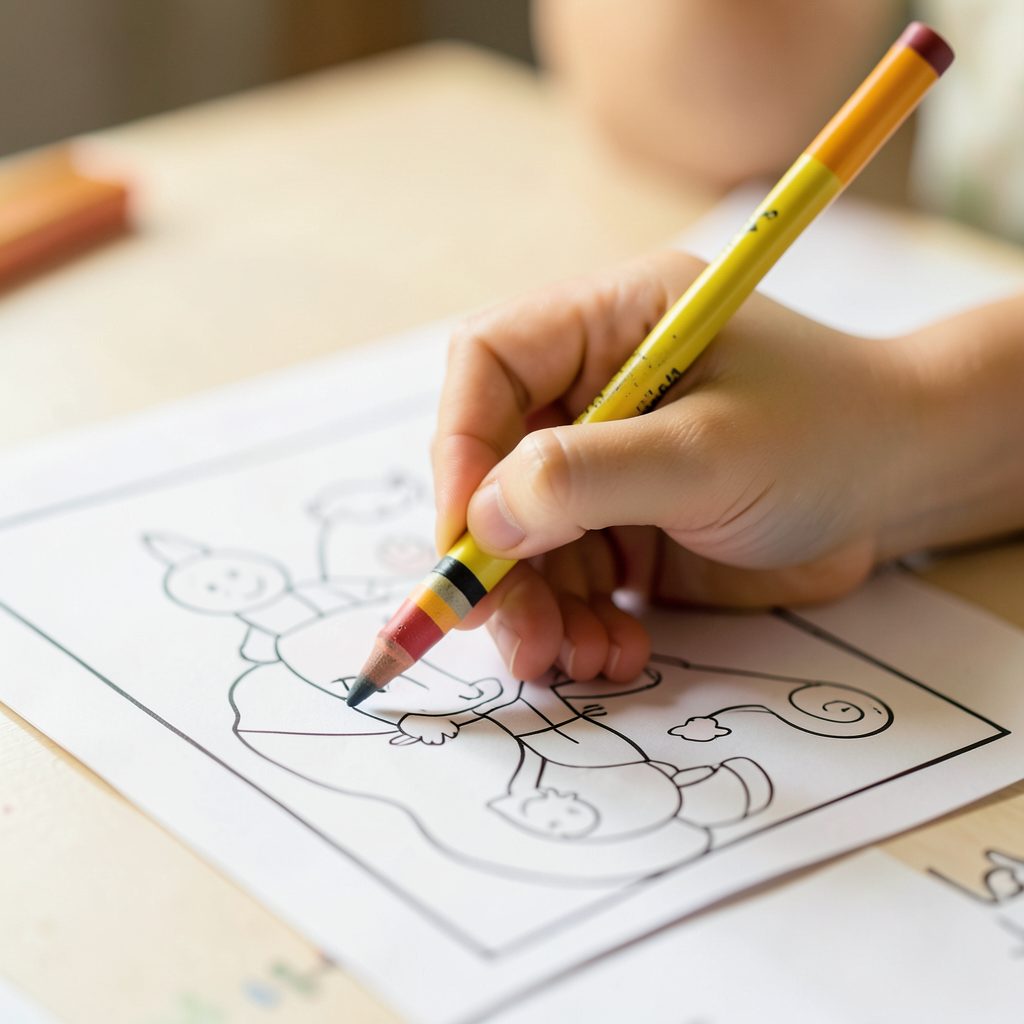
Younger children may focus on naming colors, animals, and basic shapes. Simple desert coloring sheets with large outlines are useful for developing pencil control and hand-eye coordination. Adults can add one short fact at a time so the activity remains playful.
Older children can explore food chains, weather patterns, and the difference between desert regions. They might draw arrows from plants to herbivores and predators, create a labeled desert scene, or write a few sentences about how an animal survives a long dry season.
Printable pages also work well in group settings. A classroom can assign each child one desert species and combine the finished drawings into a shared habitat mural. This turns individual artwork into a collaborative lesson about biodiversity.
Easy ways to extend the learning
A few small additions can transform a coloring activity into a broader nature project:
- Pair each page with a library book or short nonfiction reading about deserts.
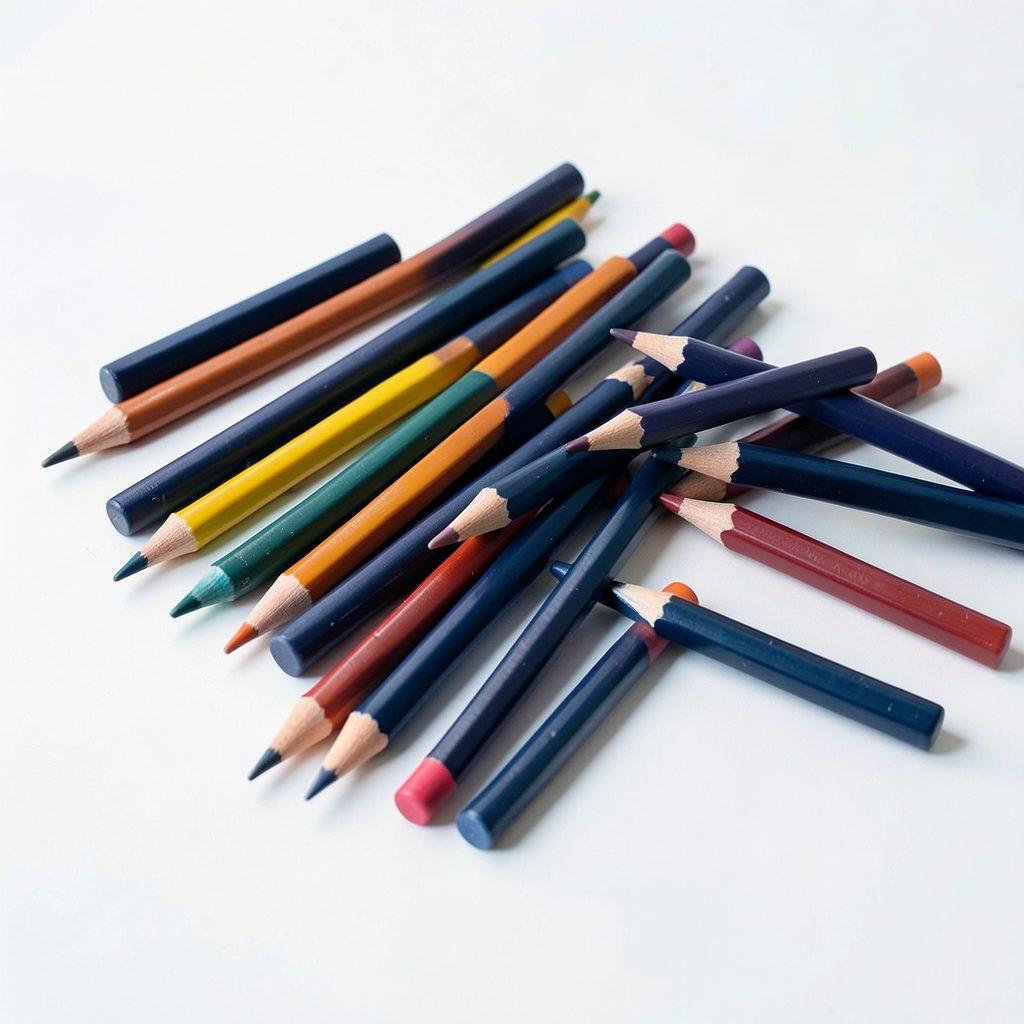
- Provide crayons, colored pencils, and sand-colored paper for a mixed-media habitat scene.
- Ask children to design a water-saving plant or animal and explain its special features.
- Use finished pages to create vocabulary cards for words such as dune, oasis, burrow, and drought.
- Compare the desert with a forest, wetland, or grassland and discuss how habitats differ.
These ideas allow children to move from coloring to observation, storytelling, classification, and simple environmental awareness. The same printable collection can support several ages and learning styles without requiring expensive materials.
Download free desert-themed coloring pages from Present Contemporary Art and bring them into a home activity, classroom lesson, or seasonal nature project. With paper, coloring tools, and a few thoughtful facts, children can explore how life thrives in one of the world’s most distinctive ecosystems.
Also Discover
A Legacy in Contemporary Art
Beyond coloring pages, presentcontemporaryart has a history as an association of art collectors and patrons — Associazione di Collezionisti e Mecenati. The organization promoted international exhibitions connecting Chinese, Italian, and international artists, with past events in Shanghai and Berlin.


Ready to Start Coloring?
Browse the full collection of free printable coloring pages — all just a click away.
View All Coloring Pages