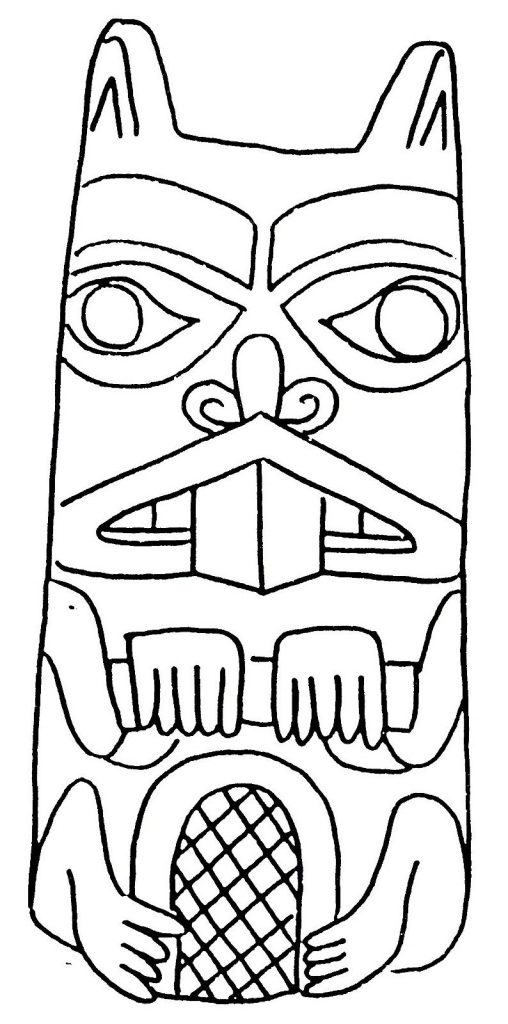
A growing collection of high-resolution coloring sheets — animals, cartoon characters, holidays, and more. Print and enjoy at home or in the classroom.
Explore the CollectionWelcome
Coloring Fun for Every Child
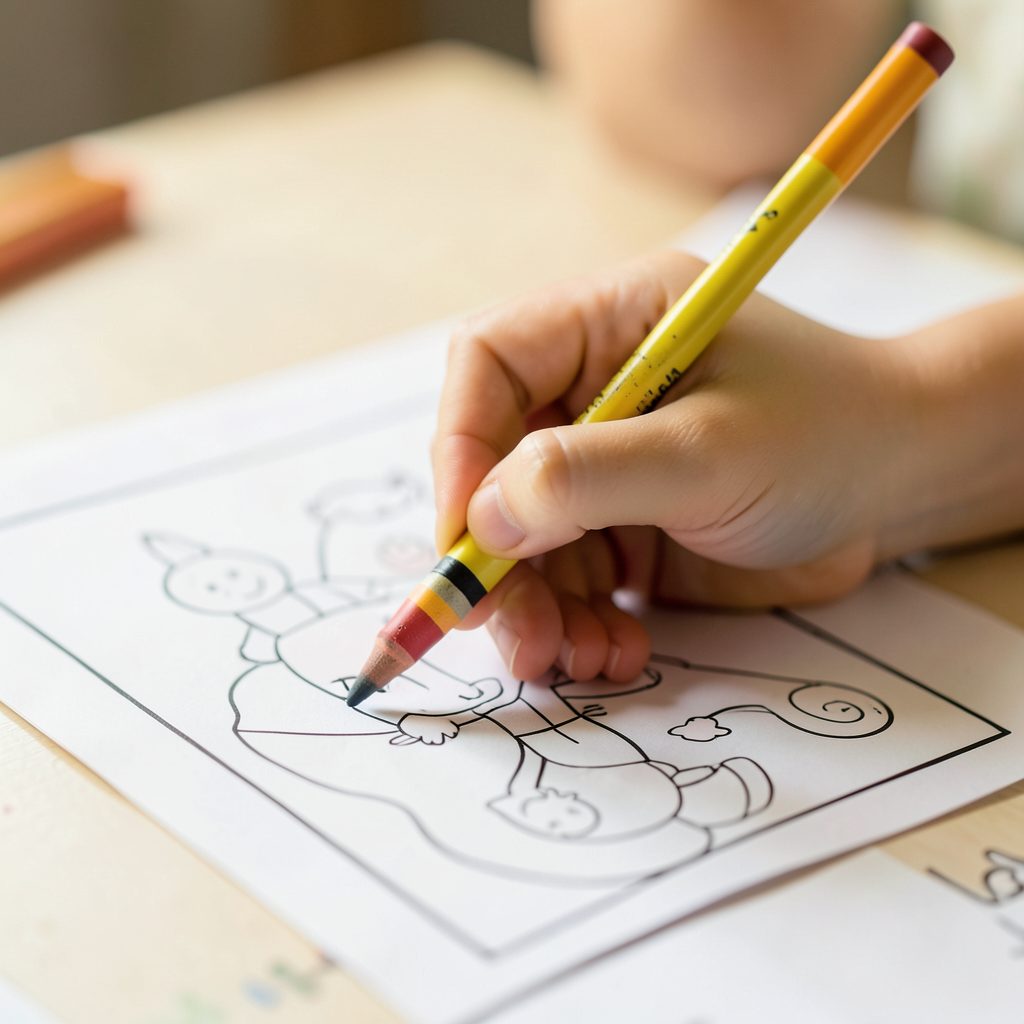
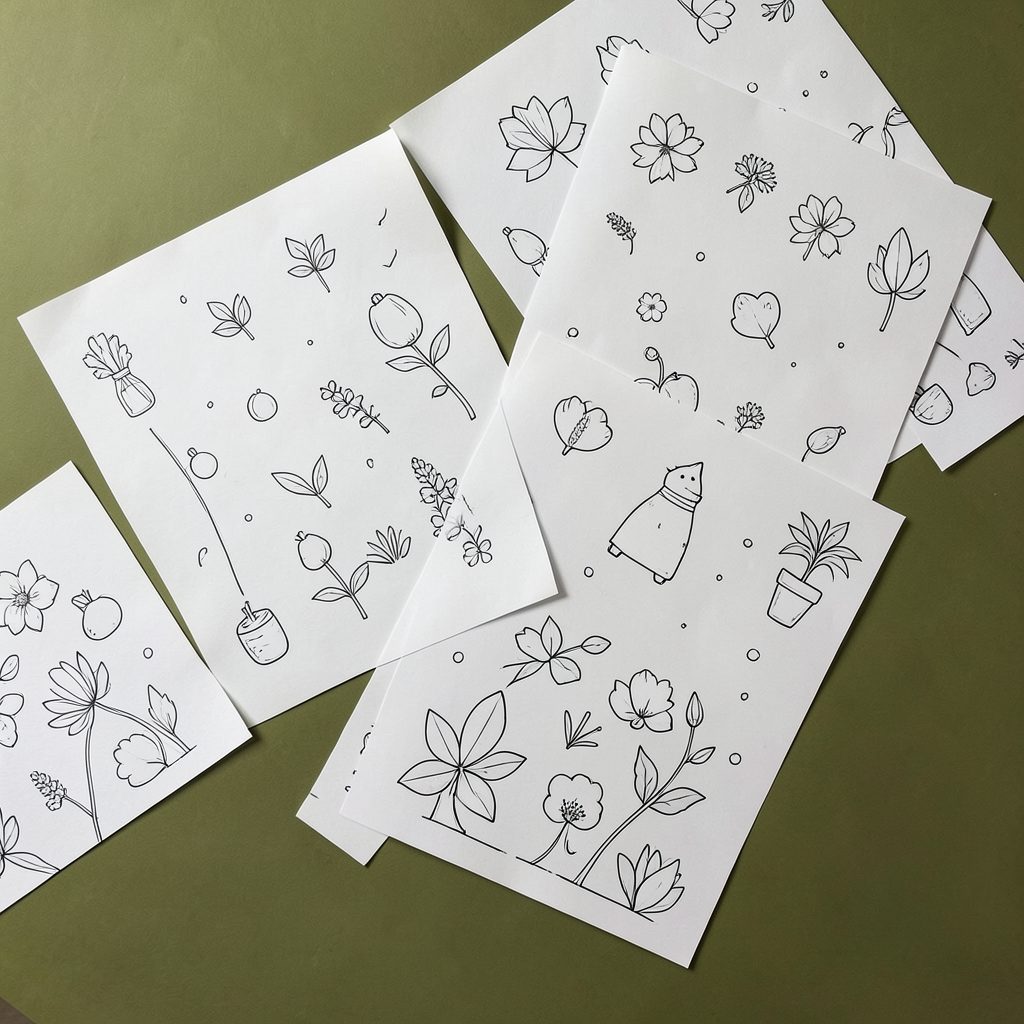
presentcontemporaryart brings together an extensive library of free printable coloring pages. From friendly giraffes and adventure-time characters to seasonal holiday sheets, there is something here to spark every child's creativity. All pages are easy to download and print at high resolution — perfect for rainy afternoons, classroom activities, or quiet time at home.
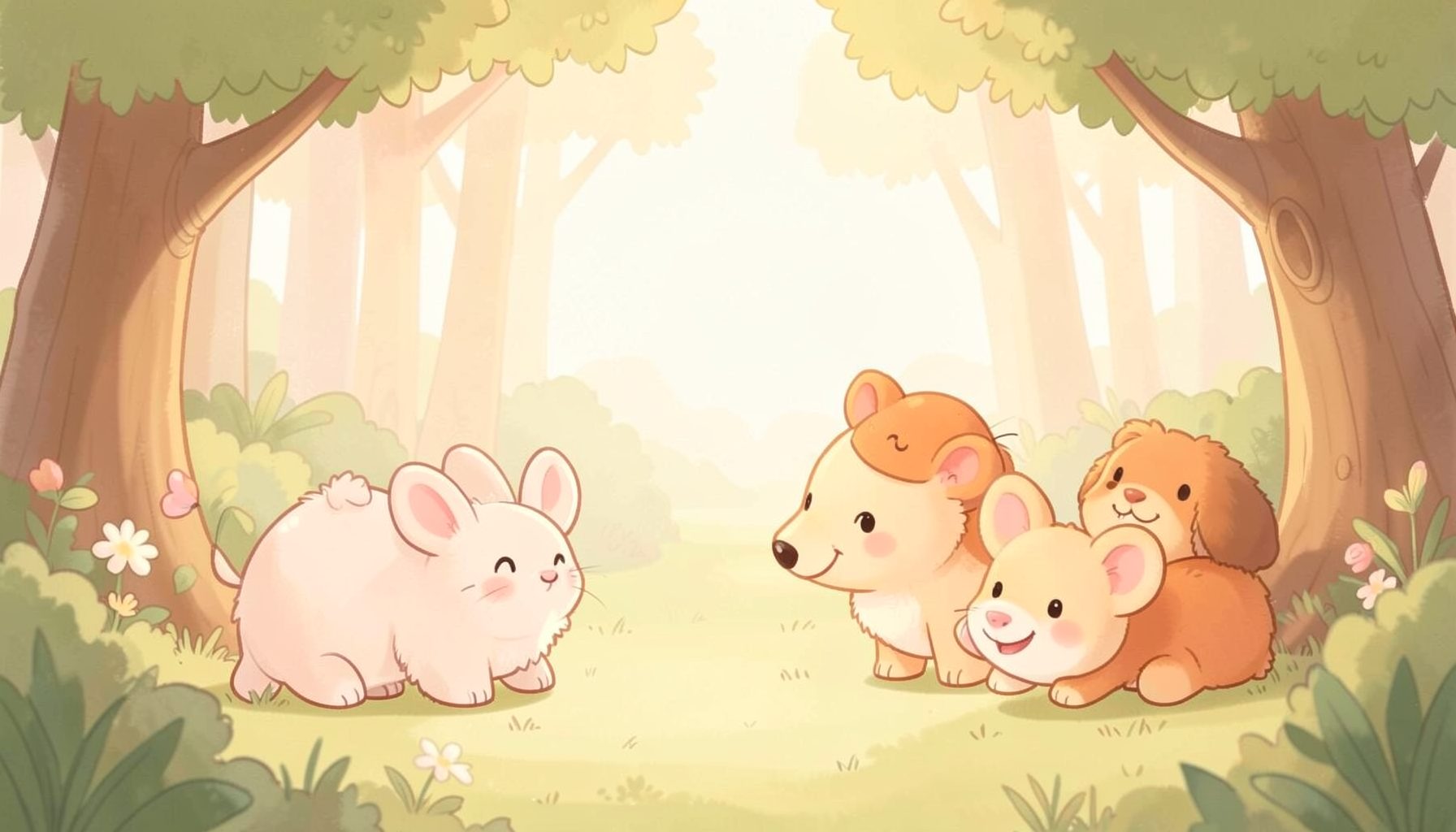
Animals & Nature
Giraffes, goldfinches, orioles, and woodland creatures — a wide selection of animal coloring pages for young nature lovers.
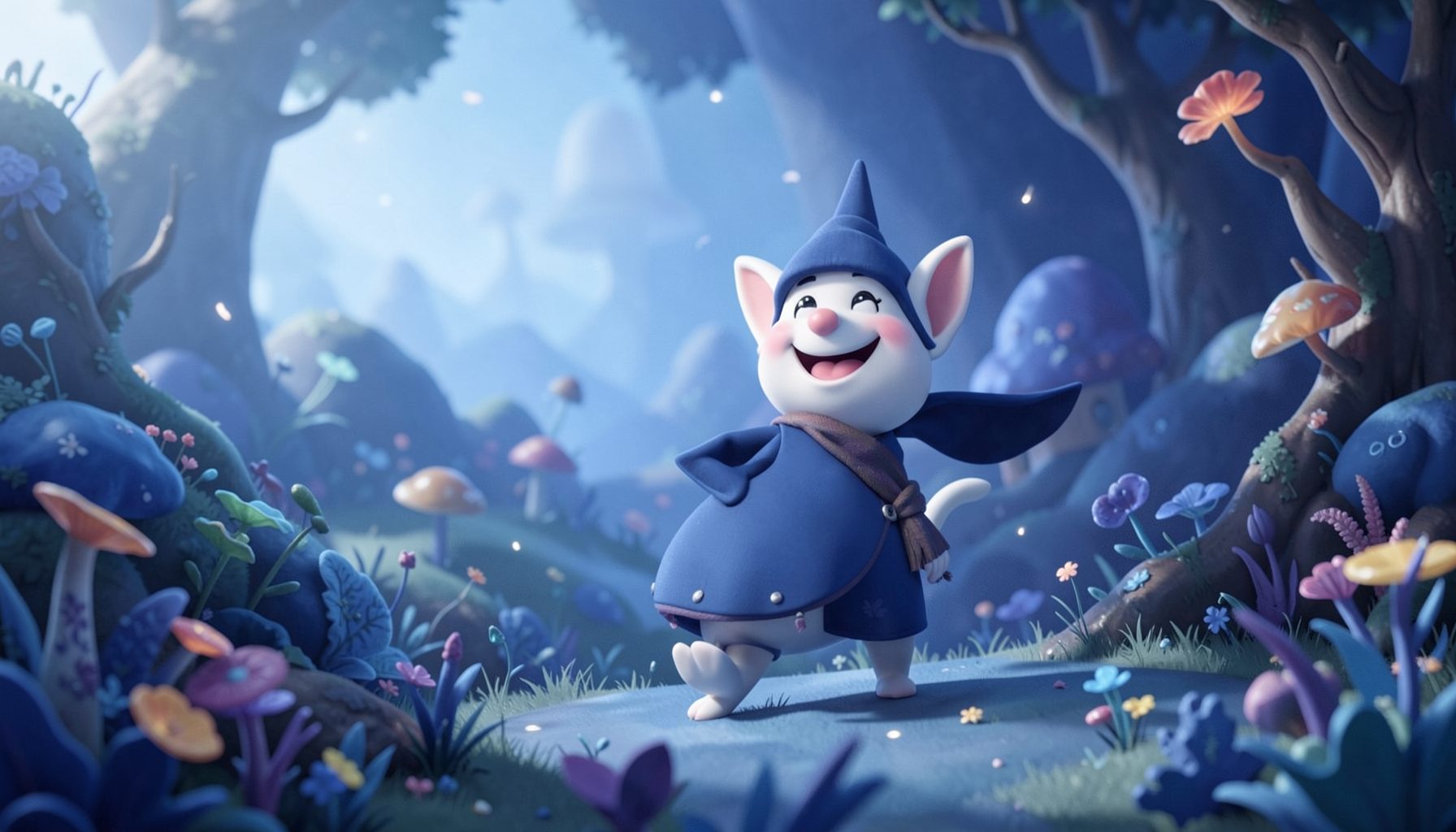
Cartoon Characters
Adventure Time, Land Before Time, Justin Time, and more beloved characters ready to be brought to life with color.
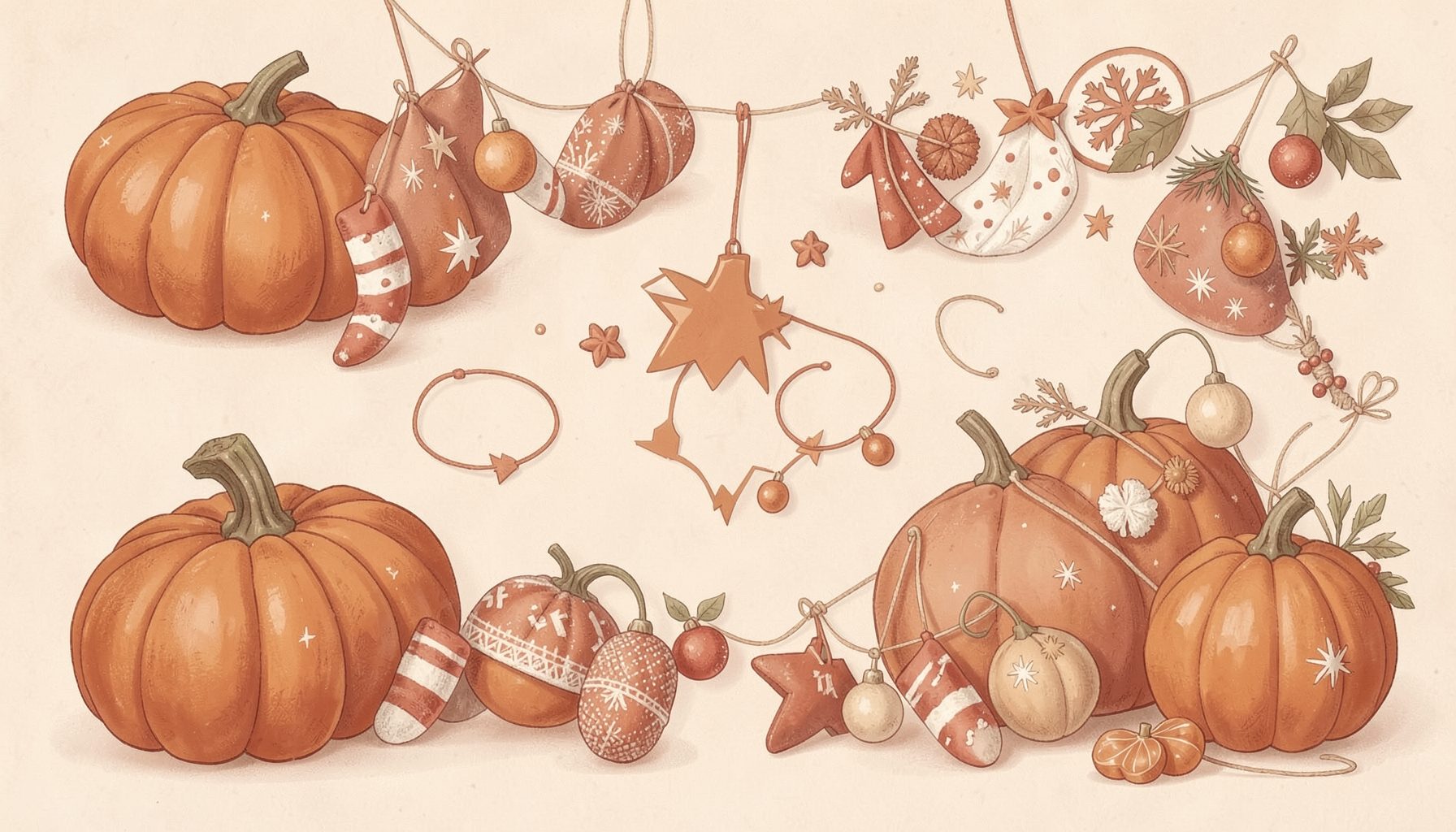
Holidays & Seasons
Halloween, New Year, and seasonal coloring sheets to celebrate special times throughout the year.
Coloring Pages for Learning About the Colors of the Rainbow
Rainbow colouring activities turn an art session into a gentle science lesson. As children fill each band, they can practise colour names, follow a sequence, develop fine motor control and notice how light appears in nature.
Printable pages are especially useful because they need very little preparation. Families can download a design without registration, while teachers, librarians and childcare educators can print copies for a quiet activity, a weather unit or a discussion about the sky.
For children in Australia, a rainbow may appear after a summer storm in Brisbane, above the Dandenong Ranges near Melbourne or beside the coast in Perth. These familiar experiences give the activity a local connection and make new vocabulary easier to remember.
Build Rainbow Vocabulary Through Art
The traditional rainbow sequence is red, orange, yellow, green, blue, indigo and violet. Younger children may begin with three or four colours, while older children can learn the complete sequence and compare shades such as sky blue, navy, lilac and magenta.
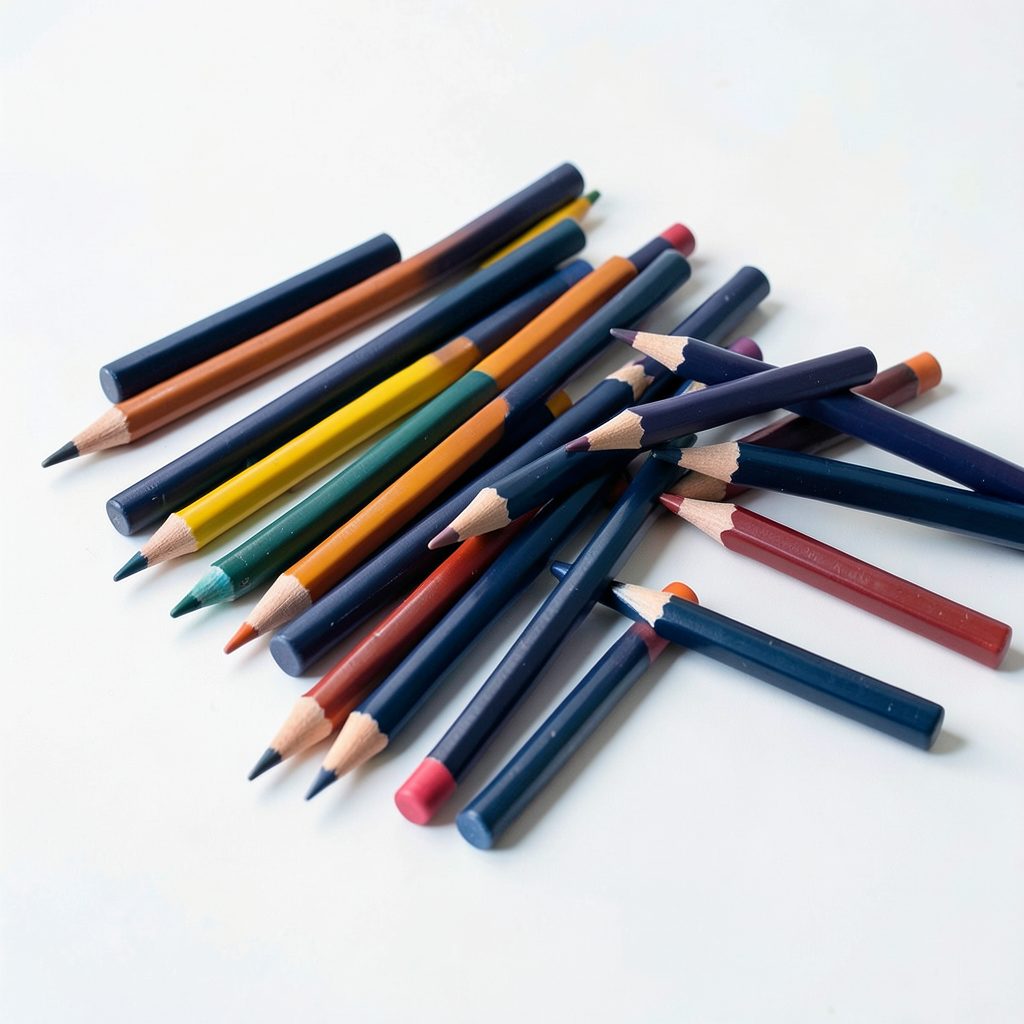
A printable rainbow worksheet can include simple prompts beside the picture. Children might trace the word “red”, find every yellow object on the page or place coloured pencils in order before beginning. Saying each colour aloud supports early literacy and helps English learners connect spoken language with visual information.
A finished page can become a classroom display labelled “Our Rainbow Garden”. Australian teachers may connect it with eucalyptus leaves, golden wattle, blue skies and red desert landscapes, helping children see colour in both their artwork and the world around them.
Explore Light, Weather and Nature
Colouring offers a starting point for explaining that sunlight can appear white but contains many colours. A small prism, glass of water or reflective CD can create a simple demonstration at home or in class. Children can then colour a rainbow and describe what they observed.
Weather is another useful connection. After a wet afternoon, talk about sunlight returning through raindrops and ask why rainbows are easier to see when the sun is behind the viewer. A family in Sydney might observe one after a coastal shower, while children in Adelaide may connect the activity with changing conditions during winter rain.
Nature-themed pages can extend the lesson beyond the arc in the sky. Add clouds, birds, flowers, trees or a creek, then invite children to choose realistic colours or invent a fantasy scene. This encourages observation, decision-making and creative confidence without making the activity feel like a test.
Match Activities to Different Age Groups
The best printable design depends on a child’s stage of development. Large spaces and bold outlines suit preschoolers, while older children often enjoy detailed scenes, writing tasks and small pattern sections. The comparison below can help adults select a suitable activity.
| Age group | Useful page features | Learning focus | Helpful materials |
|---|---|---|---|
| Ages 3–5 | Wide bands, simple clouds and clear outlines | Basic colour recognition and pencil control | Jumbo crayons or washable markers |
| Ages 5–7 | Colour labels, tracing words and matching tasks | Sequence, spelling and visual memory | Coloured pencils, crayons and pencils |
| Ages 7–9 | Detailed landscapes and short prompts | Light, weather and descriptive language | Fine-tip pencils and a ruler |
| Ages 9+ | Creative scenes and independent research prompts | Colour mixing, symbolism and written explanation | Watercolours, markers and a notebook |
Children who find writing difficult can point, sort pencils or dictate answers to an adult. Children ready for a challenge can mix two colours, label warm and cool shades, or write a short weather report based on their picture.
For a magical extension, pair the rainbow lesson with unicorn and dragon pages. A child could design a rainbow creature, select a colour palette and explain why each shade suits its character.
Make Printable Sessions Work at Home
A successful activity does not require an expensive craft cupboard. Standard A4 paper from an Australian supermarket or office-supply shop works well for most home printers. Use thicker paper for markers or paint, and place a sheet of scrap paper underneath to protect the table.
Keep the discussion flexible. Some children will carefully follow the traditional order, while others will create a rainbow in pastel pinks, brown, silver or black. Ask them to describe their choices rather than correcting every creative decision. The educational value comes from talking, observing and experimenting.
For a classroom, print one large example and several individual pages. Children can work in pairs to check the sequence, then display their art on a wall or noticeboard. A short group activity can include sorting colour cards, singing a colour song and sharing one observation about local weather.
Encourage Learning With Simple Prompts
Small prompts help adults turn a colouring sheet into an engaging learning resource. Choose one or two rather than assigning a long list, especially for younger children. Useful prompts include “Which colour comes after yellow?” and “Where might you see green in your neighbourhood?”
The activity can also support numeracy and language. Count the rainbow bands, compare the lengths of different stripes, make a repeating colour pattern or write a sentence using two descriptive words. Older children might investigate why a rainbow appears curved or find out how artists use colour to create mood.
Try these practical approaches:
- Let children sort crayons into rainbow order before they start colouring.
- Invite them to find matching colours in the garden, room or local park.
- Add labels, captions or a short story to a completed picture.
- Use recycled cardboard as a backing sheet for a sturdier display.
- Revisit the page after rain and compare the drawing with a real rainbow.
Printable rainbow art works across seasons and settings, from a rainy-day activity in Hobart to a holiday craft session in Cairns. With a few thoughtful prompts, it becomes a relaxed way to explore science, language, creativity and the colourful details of everyday life.
Also Discover
A Legacy in Contemporary Art
Beyond coloring pages, presentcontemporaryart has a history as an association of art collectors and patrons — Associazione di Collezionisti e Mecenati. The organization promoted international exhibitions connecting Chinese, Italian, and international artists, with past events in Shanghai and Berlin.


Ready to Start Coloring?
Browse the full collection of free printable coloring pages — all just a click away.
View All Coloring Pages