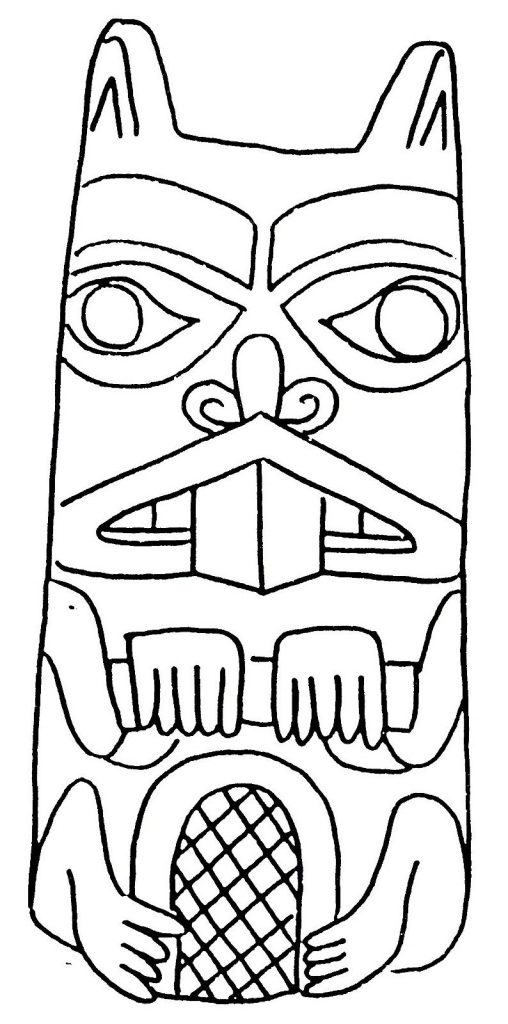
A growing collection of high-resolution coloring sheets — animals, cartoon characters, holidays, and more. Print and enjoy at home or in the classroom.
Explore the CollectionWelcome
Coloring Fun for Every Child
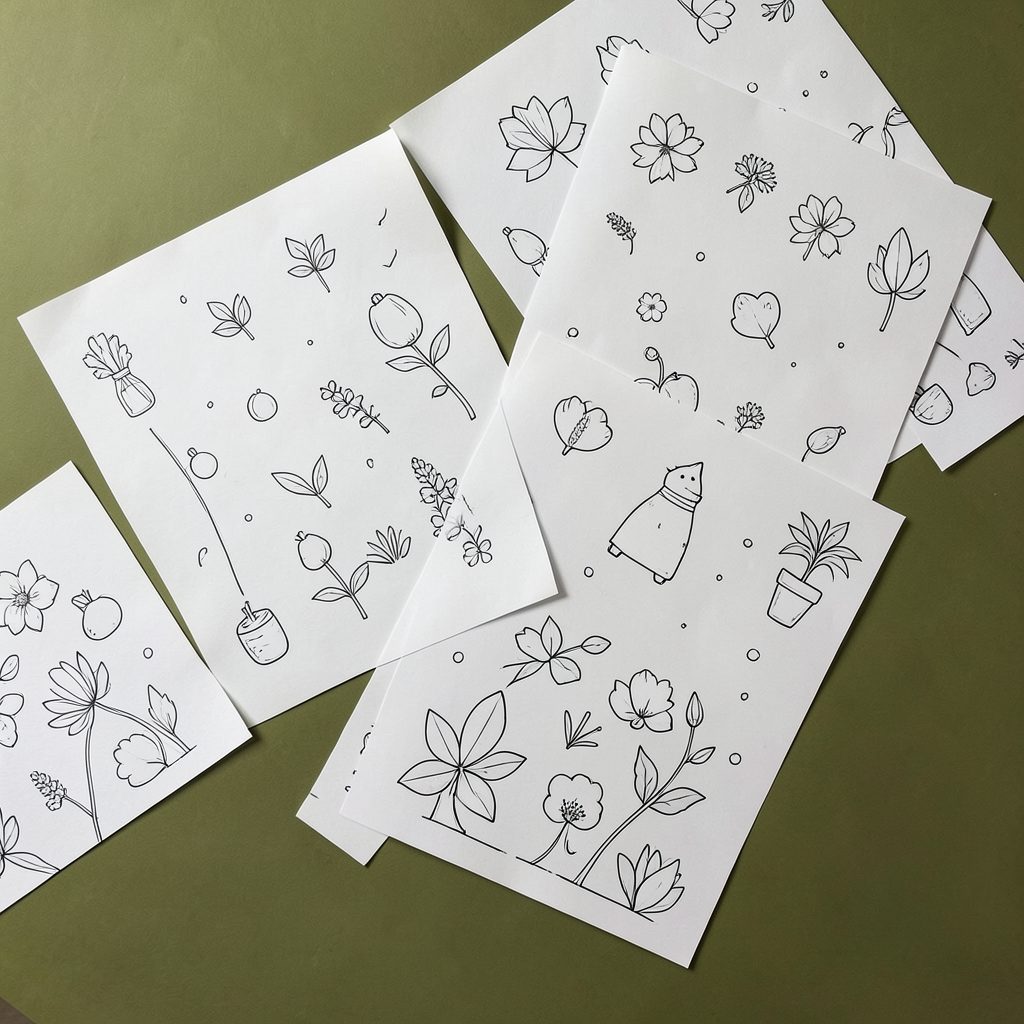
presentcontemporaryart brings together an extensive library of free printable coloring pages. From friendly giraffes and adventure-time characters to seasonal holiday sheets, there is something here to spark every child's creativity. All pages are easy to download and print at high resolution — perfect for rainy afternoons, classroom activities, or quiet time at home.
Animals & Nature
Giraffes, goldfinches, orioles, and woodland creatures — a wide selection of animal coloring pages for young nature lovers.
Cartoon Characters
Adventure Time, Land Before Time, Justin Time, and more beloved characters ready to be brought to life with color.

Holidays & Seasons
Halloween, New Year, and seasonal coloring sheets to celebrate special times throughout the year.
Explore the World with Landmark Colouring Pages
Colouring pages featuring famous landmarks turn a quiet creative activity into an easy geography lesson. As children fill in towers, bridges, temples and ancient ruins, they can learn where each place is, what it looks like and why people visit it.
Printable landmark illustrations suit families, teachers and activity groups across Australia. Pages can be used at home, in a primary classroom, during a rainy-day program or as a calm activity before a school holiday excursion. A free download also makes it simple to choose designs without creating an account or buying a workbook.
Choosing Landmarks That Spark Curiosity
Begin with places children may already recognise from books, films or family trips. The Sydney Opera House, Uluru, the Great Barrier Reef and the Melbourne tram network offer strong local connections, while the Eiffel Tower, Statue of Liberty and Big Ben introduce children to well-known sites overseas.
A landmark does not have to be a single building. Natural features, historic streets and cultural locations can all support discussion. For example, a page showing Uluru can lead to respectful learning about its significance to Anangu people, while a Great Barrier Reef scene can open a conversation about marine life and conservation.
Learning Through Lines and Details
A good colouring sheet includes visual details that invite observation. Arches, windows, domes, flags, bridges and patterns encourage children to look closely at how a landmark is designed. These features can be connected to simple vocabulary such as “symmetry”, “structure”, “surface” and “scale”.
Colour choices can also support research. Children might investigate the sandstone colours of Petra, the bright paintwork of a Brazilian church or the changing appearance of the Sydney Harbour Bridge at sunset. Accuracy is useful, but creative interpretation gives young artists room to imagine a landmark in a new season, time of day or artistic style.
Australian Places to Discover
Australian landmarks make an excellent starting point because children can connect the page with places in their own country. A class in Brisbane might compare the Story Bridge with another famous bridge, while students in Perth could explore how Kings Park looks across the city. Families travelling along the Great Ocean Road may use a colouring activity to revisit the Twelve Apostles.
Respectful presentation matters when choosing cultural sites. Designs involving Uluru, Kakadu or other places connected to First Nations communities should be paired with age-appropriate information about Country, custodianship and cultural significance. This helps the activity move beyond decoration and encourages thoughtful appreciation.
Helpful Australian themes include:
- Sydney Opera House and Sydney Harbour Bridge
- Uluru and the surrounding desert landscape
- The Great Barrier Reef and tropical coastline
- Federation-era railway stations and local town halls
Comparing Landmark Learning Opportunities
Different landmark pages encourage different types of learning. A detailed cathedral may suit a history activity, while a reef scene can support science vocabulary. The comparison below helps adults select an image that matches a child’s age and learning goal.
| Landmark theme | Ideas children can explore | Suitable activity |
|---|---|---|
| Sydney Opera House | Architecture, sails, harbour life | Colour, label and locate on a map |
| Uluru | Geology, Country and respectful tourism | Use natural colour shades and discuss place |
| Eiffel Tower | Engineering, France and city landmarks | Build a paper tower after colouring |
| Great Barrier Reef | Coral, fish and conservation | Add species names to the picture |
| Egyptian pyramids | Ancient history, shape and scale | Design a desert background |
| Golden Gate Bridge | Bridges, transport and geography | Compare it with an Australian bridge |
Matching Pages to Different Ages
Preschool children often enjoy large, uncluttered outlines with recognisable shapes. A simple lighthouse, windmill or castle can help them practise pencil control while learning a new word. Adults can name the place aloud and point to its country on a globe.
Older primary students can work with more detailed illustrations. They may research the date a landmark was built, identify its architectural style or write a short caption beneath the finished page. In Australia, this can connect naturally with Humanities and Social Sciences topics covering history, geography and communities.
Useful age-based approaches include:
- Ages three to five: name colours, shapes and objects
- Ages five to seven: match landmarks with countries or states
- Ages seven to nine: add labels and short facts
- Older children: create a researched travel poster
Turning Colouring into a Group Activity
In a classroom, give each student a different landmark and create a shared wall map. Children can place their completed pages near the correct country or Australian state, then explain one feature they noticed. This works well for multicultural classrooms and can include landmarks represented in students’ family backgrounds.
At home, siblings can plan an imaginary journey using several finished pages. They might draw a route from Melbourne to Paris, choose transport, estimate travel time and create a pretend postcard. During the winter school holidays, a family could pair the activity with library books, a documentary or a visit to a local museum.
Teachers can extend the lesson with:
- A landmark vocabulary matching game
- A short oral presentation about one site
- A design challenge for a new local landmark
- A comparison of traditional and modern architecture
Printing and Displaying Finished Pages
Printable files are most practical when they are clear, uncluttered and sized for standard A4 paper, the format widely used in Australian homes and schools. Black-and-white designs save ink and allow children to choose their own colours. For younger artists, thicker paper or a sheet placed under the page can reduce marks passing through to the table.
Finished work can become part of a learning display rather than being put away immediately. Add the landmark’s name, location and one interesting fact to each page. A “travelling gallery” in a classroom, childcare room or library can show how architecture, landscapes and cultural traditions vary around the world.
Free online collections also suit Australian families who prefer flexible, low-cost activities. Pages can be downloaded when needed, printed at home or through a local stationery and print shop, and used without registration for creative learning at home, school or community programs.
Also Discover
A Legacy in Contemporary Art
Beyond coloring pages, presentcontemporaryart has a history as an association of art collectors and patrons — Associazione di Collezionisti e Mecenati. The organization promoted international exhibitions connecting Chinese, Italian, and international artists, with past events in Shanghai and Berlin.


Ready to Start Coloring?
Browse the full collection of free printable coloring pages — all just a click away.
View All Coloring Pages