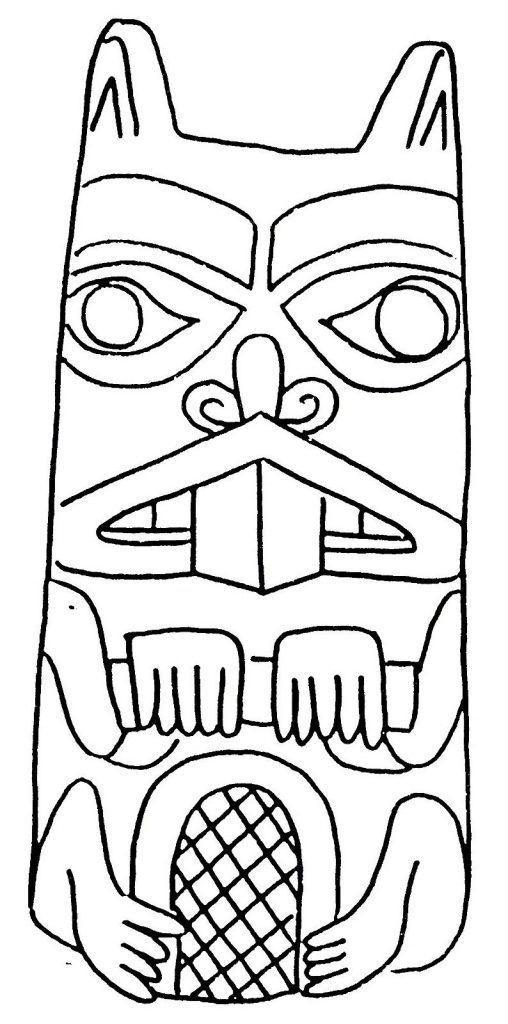
A growing collection of high-resolution coloring sheets — animals, cartoon characters, holidays, and more. Print and enjoy at home or in the classroom.
Explore the CollectionWelcome
Coloring Fun for Every Child
presentcontemporaryart brings together an extensive library of free printable coloring pages. From friendly giraffes and adventure-time characters to seasonal holiday sheets, there is something here to spark every child's creativity. All pages are easy to download and print at high resolution — perfect for rainy afternoons, classroom activities, or quiet time at home.
Animals & Nature
Giraffes, goldfinches, orioles, and woodland creatures — a wide selection of animal coloring pages for young nature lovers.
Cartoon Characters
Adventure Time, Land Before Time, Justin Time, and more beloved characters ready to be brought to life with color.
Holidays & Seasons
Halloween, New Year, and seasonal coloring sheets to celebrate special times throughout the year.
Coloring pages for children learning about animal habitats
Children often understand the natural world more easily when they can see, discuss, and create at the same time. Coloring pages turn facts about forests, oceans, deserts, grasslands, and polar regions into an active learning experience. As children fill in each illustration, they can connect an animal with the place where it finds food, shelter, and space to live.
Present Contemporary Art offers free, printable coloring sheets that support this kind of discovery. Families and teachers can download animal and nature designs without registration, then use them at home, in classrooms, libraries, or creative activity sessions.
A habitat coloring activity can be simple, yet it opens the door to vocabulary practice, observation, storytelling, and early science. Children may learn that a polar bear needs ice, a frog depends on wet environments, and a camel is adapted to dry desert conditions.
Why habitats matter to young learners
An animal habitat is the natural home where a living creature meets its basic needs. It provides water, food, shelter, and suitable conditions for survival. When children color a habitat scene, they begin to notice that animals are connected to their surroundings rather than existing separately from nature.
Pictures make unfamiliar environments easier to remember. A rainforest page may show tall trees, vines, insects, and colorful birds, while a pond illustration can include frogs, fish, reeds, and dragonflies. These visual details help children build a mental map of each ecosystem.
Choosing pages by environment
Start with habitats that are familiar or especially interesting to the child. A farm, backyard, or woodland scene can introduce common animals, while an ocean or savanna page may encourage curiosity about distant places. Grouping pages by environment also makes it easier to compare how animals live in different parts of the world.
Look for illustrations with clear outlines and several recognizable elements. Younger children may prefer one main animal with a simple background. Older children can work with detailed scenes that include plants, weather, terrain, and multiple species.
Learning ideas for every coloring sheet
Before coloring, invite children to identify the animal and describe where it lives. They can point to possible sources of food, places to hide, or water nearby. Afterward, ask them to add a sun, rain, leaves, rocks, or other features that belong in the environment.
A coloring page can become a vocabulary exercise, too. Words such as burrow, nest, reef, canopy, wetland, grassland, and camouflage are easier to remember when connected to a picture. Children can label parts of the scene or dictate a short sentence about how the animal uses its habitat.
| Habitat | Animals children may recognize | Features to discuss |
|---|---|---|
| Forest | Bear, owl, deer, fox | Trees, leaves, nests, fallen logs |
| Ocean | Dolphin, turtle, shark, octopus | Waves, coral, seaweed, deep water |
| Desert | Camel, lizard, snake, fox | Sand, heat, shade, scarce water |
| Grassland | Lion, zebra, elephant, giraffe | Open space, grasses, herds, watering holes |
| Polar region | Polar bear, penguin, seal, arctic fox | Ice, snow, cold weather, seasonal light |
| Wetland | Frog, duck, heron, beaver | Ponds, reeds, mud, shallow water |
Turning art into a science activity
Use two or three pages to explore adaptation. A child might color a duck’s webbed feet, a rabbit’s strong hind legs, or a tiger’s stripes, then explain how each feature helps the animal move, find food, or stay safe. This builds an early understanding of form and function.
Another approach is to create a habitat mural. Print several animal coloring pages and place them on a large sheet of paper with drawn rivers, trees, mountains, or ocean zones. Children can decide which creatures belong together and explain their choices in their own words.
Making printable activities easy to use
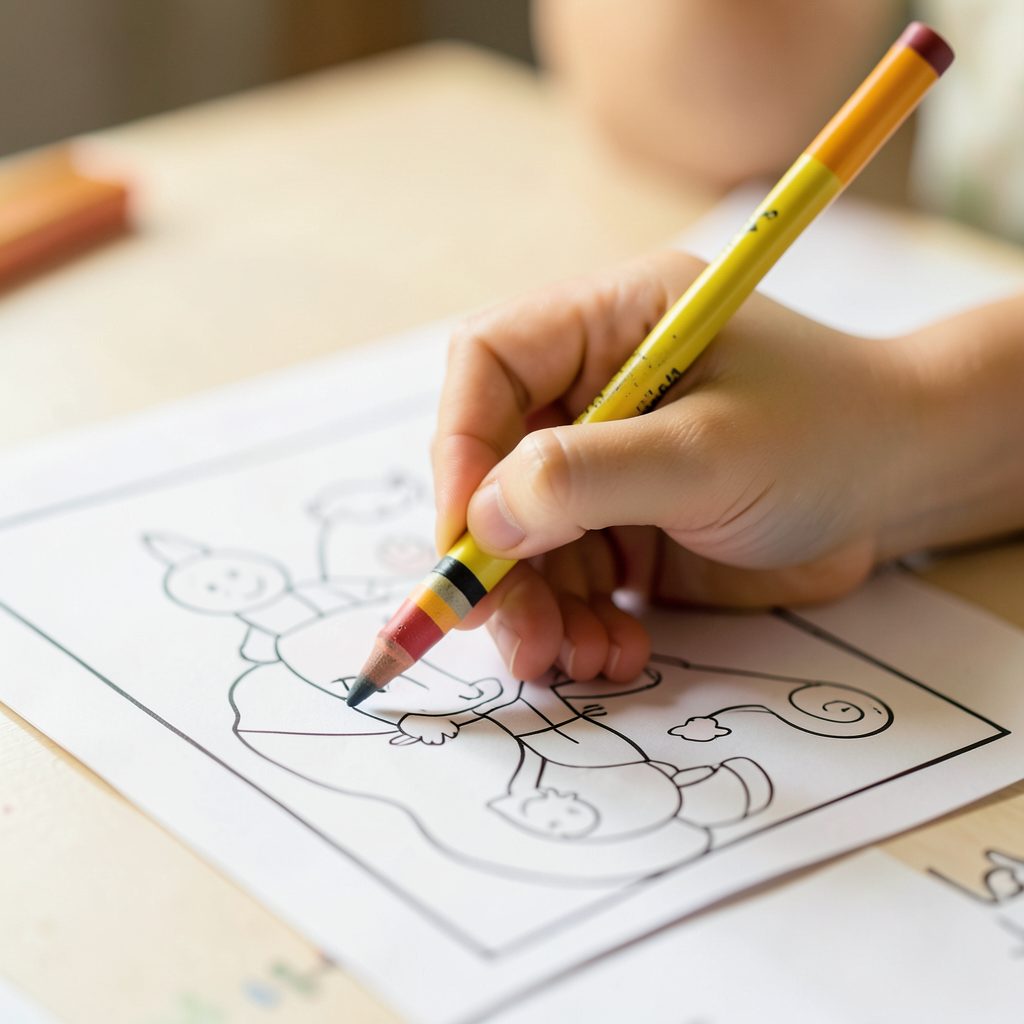
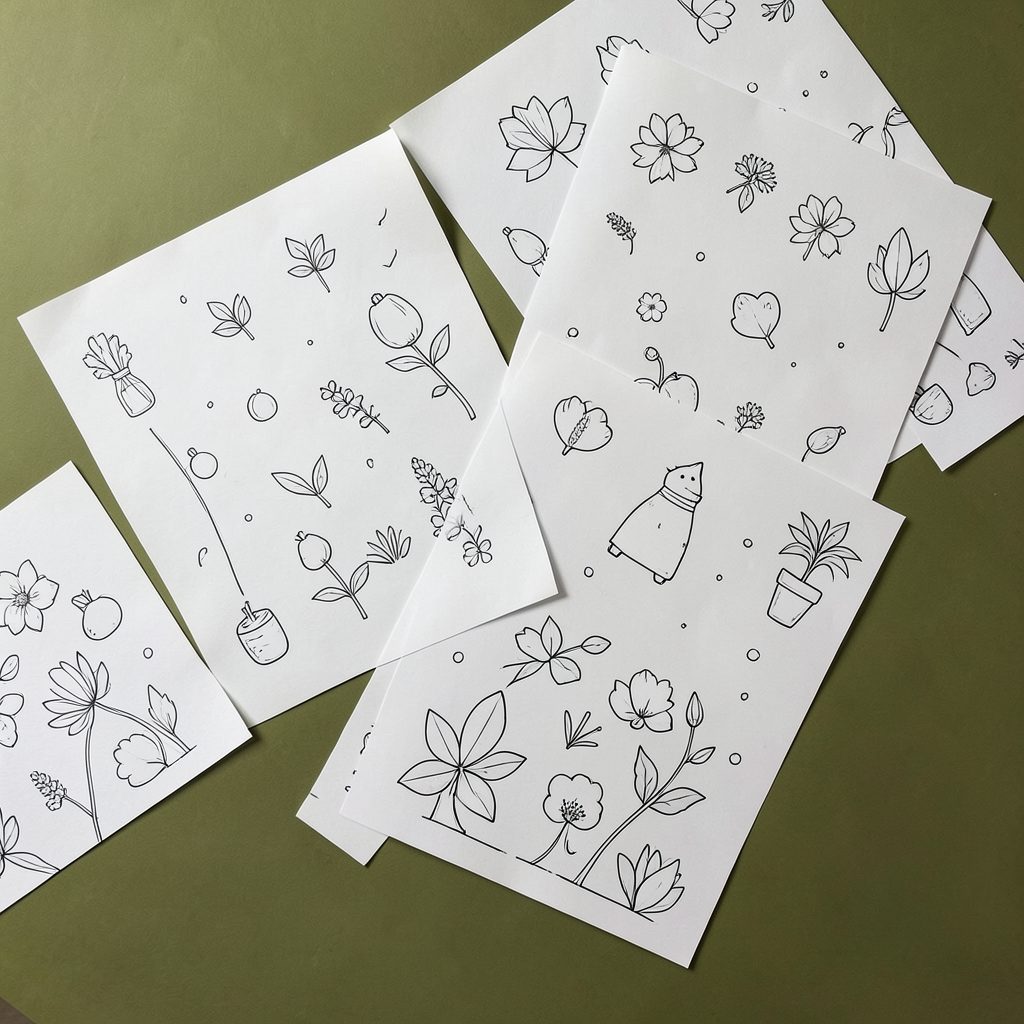
Free coloring pages work well as flexible learning materials because they require little preparation. Print a selection in advance, provide crayons or colored pencils, and keep reference books or simple habitat photographs nearby. Children can use realistic colors, imaginative shades, or a mixture of both while they learn that scientific observation and creativity can coexist.
For home and classroom use, choose a comfortable workspace with enough room for coloring and conversation. Adults can review the site’s privacy information before using online resources with children. Keeping digital browsing purposeful also allows the main focus to remain on hands-on learning.
Simple ways to extend the lesson
A few follow-up activities can make the experience more memorable:
- Match animal cards or drawings to the correct habitat.
- Create a small glossary of new nature words.
- Compare an animal’s body covering, movement, and diet with those of another species.
- Write a short story about one day in the animal’s home.
- Sort pictures into land, water, forest, desert, and polar environments.
These activities can be adjusted for different ages. Younger children may sort pictures and name colors, while older learners can research food chains, migration, endangered species, or the effects of habitat loss. The coloring page becomes a starting point rather than the entire lesson.
Download printable animal and nature designs from Present Contemporary Art and build a creative habitat activity around them today. With a few art supplies and thoughtful conversation, children can develop a lasting interest in wildlife and the environments that support it.
Also Discover
A Legacy in Contemporary Art
Beyond coloring pages, presentcontemporaryart has a history as an association of art collectors and patrons — Associazione di Collezionisti e Mecenati. The organization promoted international exhibitions connecting Chinese, Italian, and international artists, with past events in Shanghai and Berlin.


Ready to Start Coloring?
Browse the full collection of free printable coloring pages — all just a click away.
View All Coloring Pages