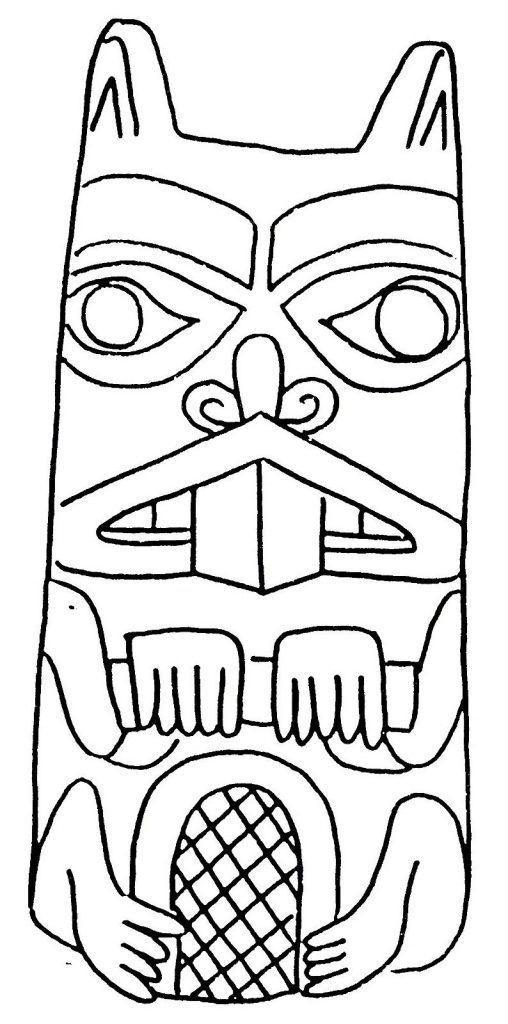
A growing collection of high-resolution coloring sheets — animals, cartoon characters, holidays, and more. Print and enjoy at home or in the classroom.
Explore the CollectionWelcome
Coloring Fun for Every Child
presentcontemporaryart brings together an extensive library of free printable coloring pages. From friendly giraffes and adventure-time characters to seasonal holiday sheets, there is something here to spark every child's creativity. All pages are easy to download and print at high resolution — perfect for rainy afternoons, classroom activities, or quiet time at home.
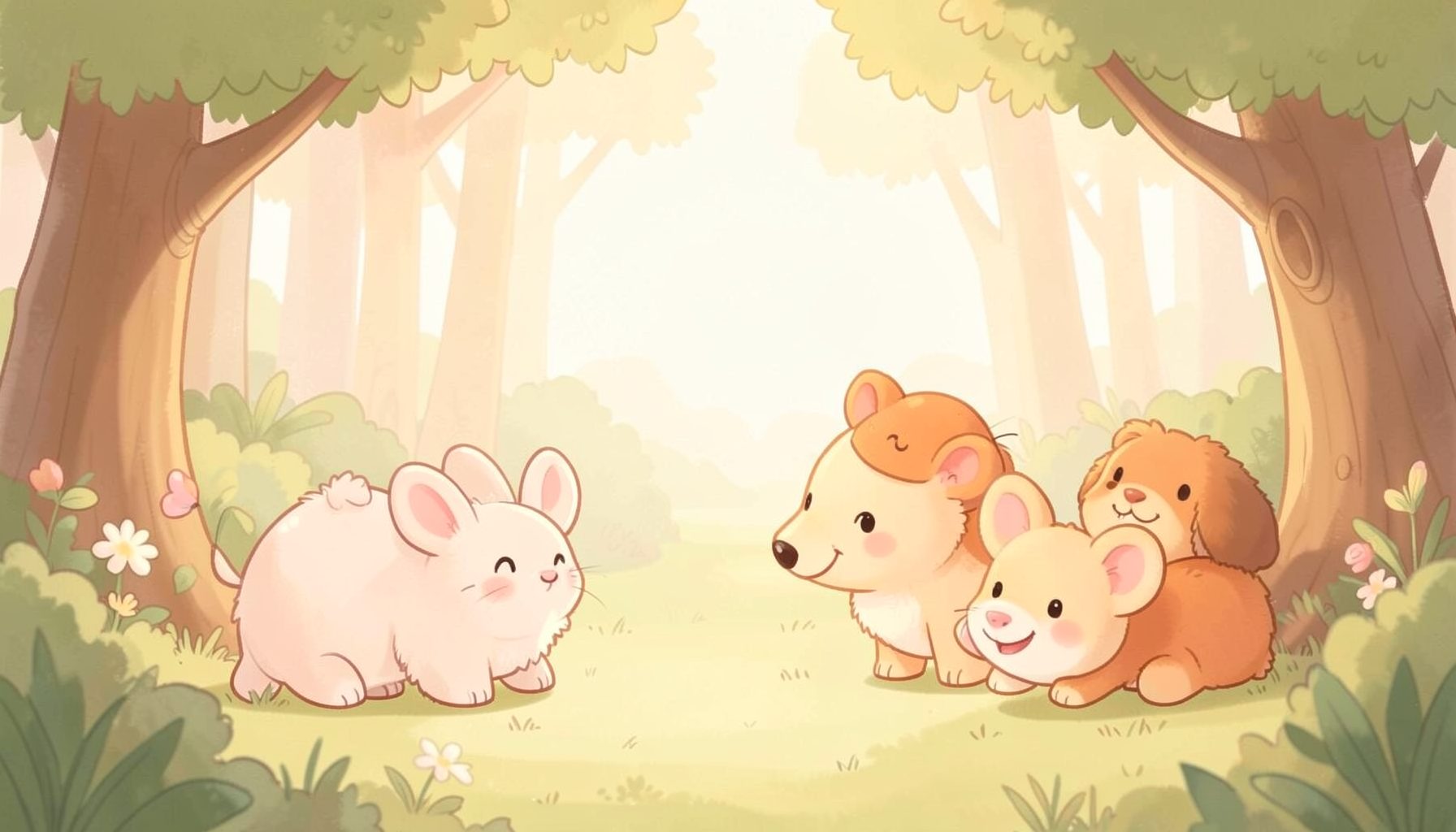
Animals & Nature
Giraffes, goldfinches, orioles, and woodland creatures — a wide selection of animal coloring pages for young nature lovers.
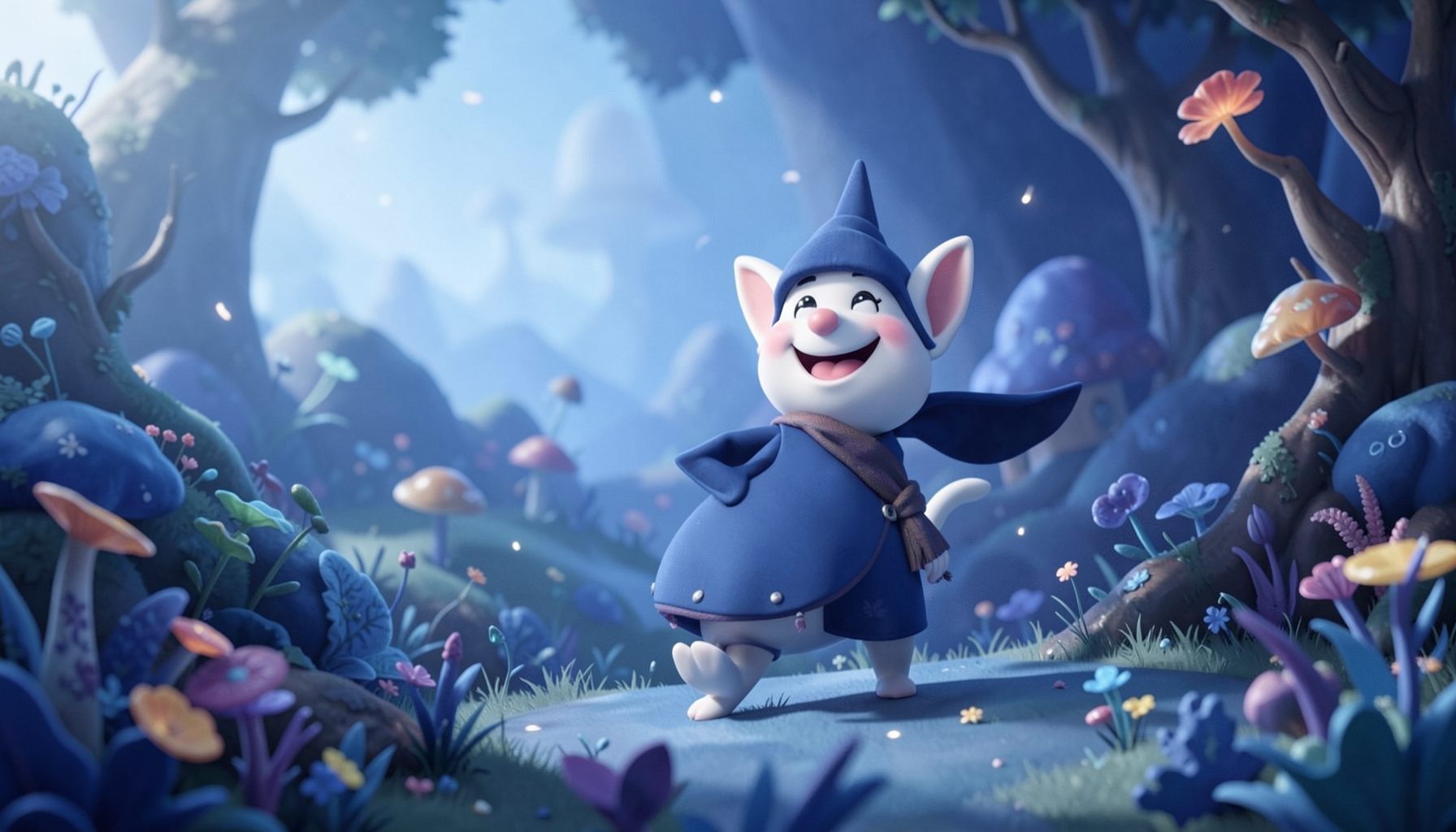
Cartoon Characters
Adventure Time, Land Before Time, Justin Time, and more beloved characters ready to be brought to life with color.
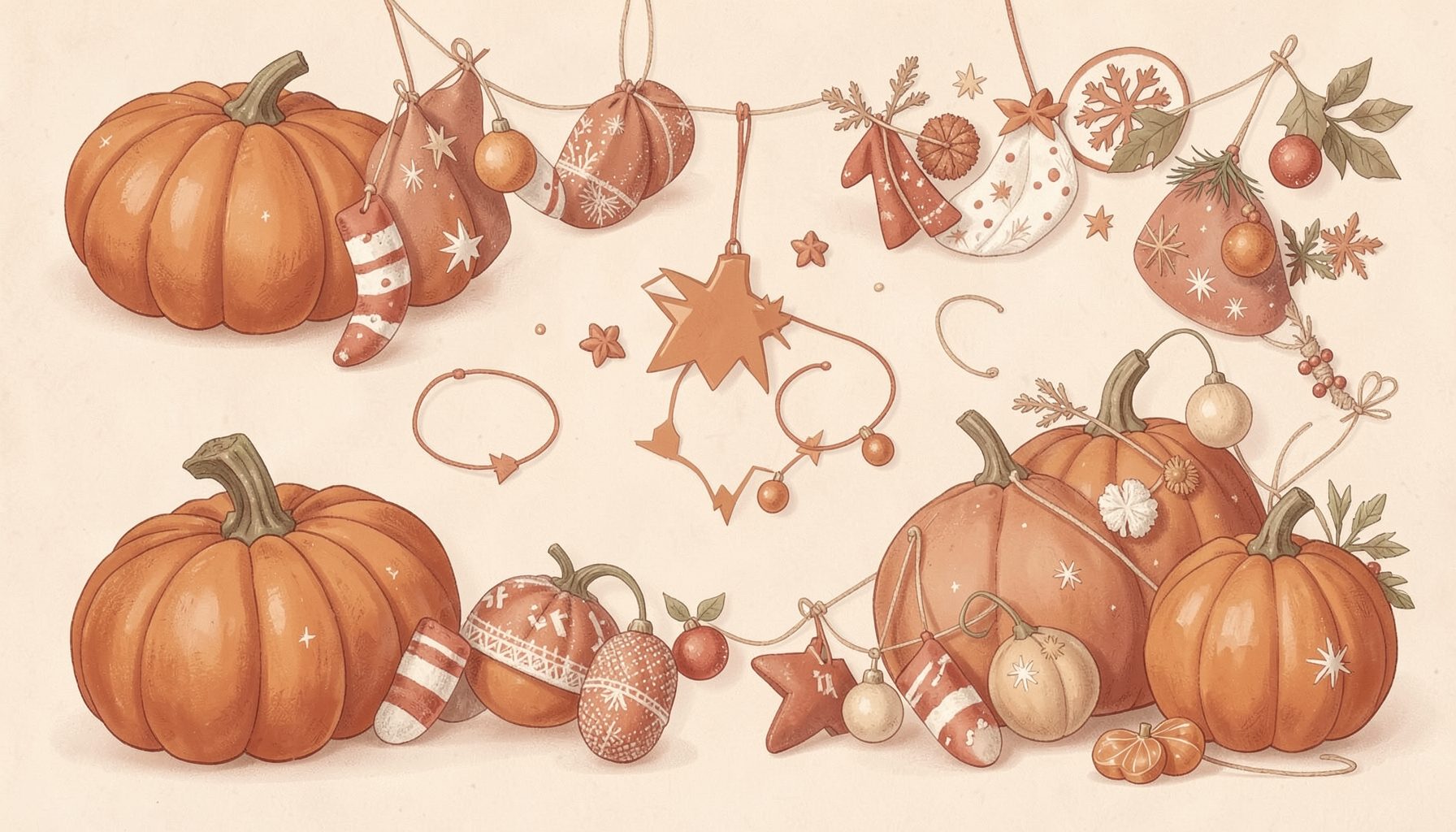
Holidays & Seasons
Halloween, New Year, and seasonal coloring sheets to celebrate special times throughout the year.
Make Learning Fun With Printable School Subject Colouring Pages
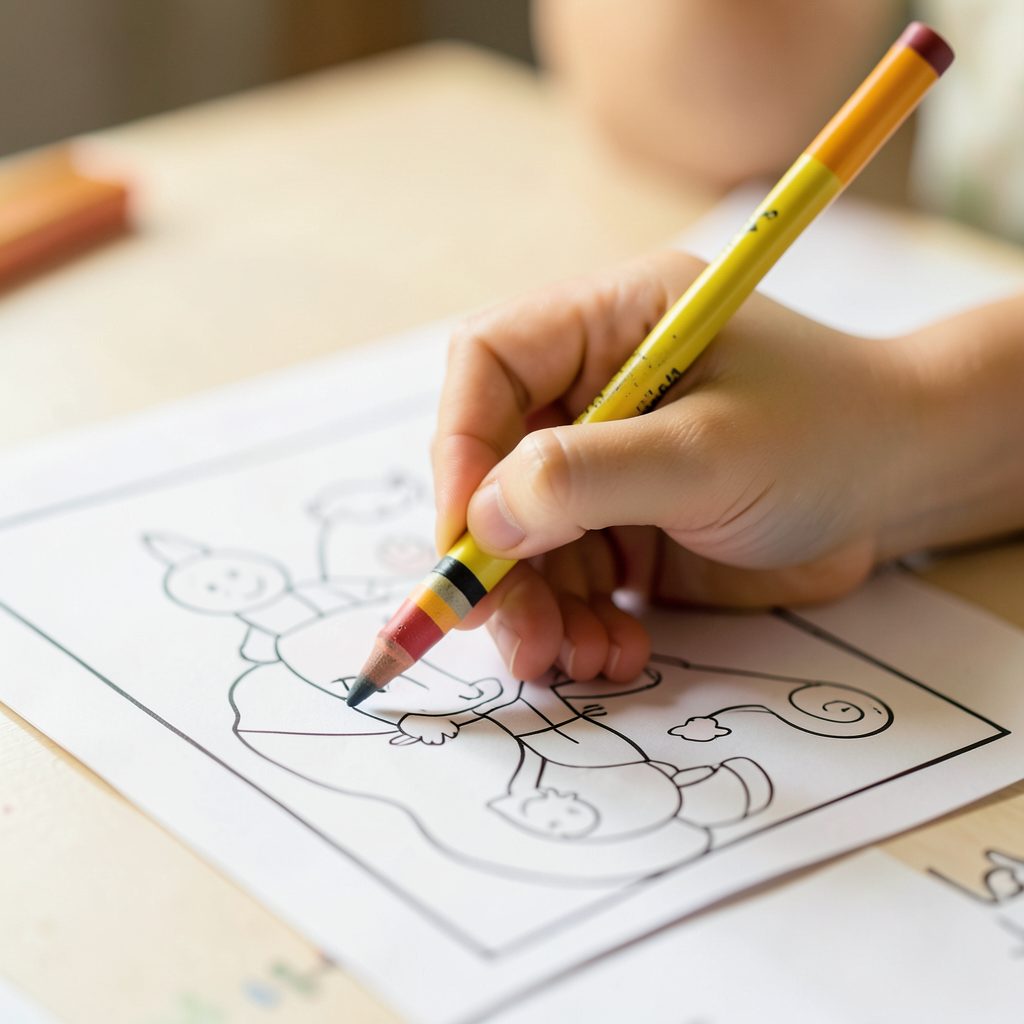
Colouring can turn a maths worksheet, reading prompt or science idea into a hands-on learning activity. When children fill in an illustration, they practise pencil control, recognise symbols and connect new information with images they can remember.
Printable school-themed pages are especially useful because they fit easily into a busy family routine. Parents can download a few designs before school pickup, while teachers can prepare a quiet activity for a classroom in Sydney, Melbourne or a regional Australian town without requiring student logins.
Why subject-based colouring supports learning
A page featuring numbers, shapes or simple equations gives children a relaxed way to revisit classroom concepts. Colouring the correct number of objects can support counting, while matching colours to geometric shapes helps reinforce vocabulary such as circle, triangle and rectangle.
Reading-themed illustrations work in a similar way. A child might colour a bookshelf, trace letters, identify objects beginning with a particular sound or decorate a scene after listening to a story. These small tasks encourage concentration without feeling like another formal lesson.
Maths pages for early problem-solving
Maths colouring sheets can include number lines, counting groups, clocks, patterns, money and basic operations. For younger learners, ask them to colour five apples red and three apples green, then count the total. Older primary students may enjoy code-by-number pictures where each answer reveals a colour.
Australian children can also connect these activities with familiar everyday situations. A page about coins could lead to a discussion of Australian dollars, while a calendar design can help children talk about school terms, weekends and public holidays. These links make an abstract idea more meaningful at home.
Keep the activity flexible rather than treating every page as a test. Let children explain how they reached an answer, use coloured pencils for coding and leave space for them to draw their own examples. A ten-minute activity after homework or before dinner is often enough.
Reading and language activities
Reading and literacy colouring pages may feature the alphabet, sight words, story characters, libraries and labelled objects. They are useful for practising letter recognition, beginning sounds and simple vocabulary. A parent can read the words aloud while a child colours the matching picture.
For emerging readers, pair a page with a short book from a school library or local public library. After reading, children can colour a setting, character or object from the story and dictate one sentence about it. This supports oral language before independent writing becomes comfortable.
Word-based designs can be adapted for different abilities. A preschooler may trace a large letter, while an older child writes synonyms, labels a picture or creates a short caption. The goal is to make language active and visual, rather than limiting literacy practice to copying lines.
Science, nature and creative classroom links
School subjects can extend beyond maths and reading. Pages showing plants, insects, weather, the human body or space can introduce science vocabulary through an engaging art task. Children might colour a life cycle in order, label a flower or choose realistic shades for an Australian animal.
Nature illustrations are particularly easy to connect with local observations. A class in Brisbane could discuss summer storms, while children in Perth might compare garden plants with those shown on the page. Asking learners to add one fact beside their picture turns a simple colouring activity into a mini research task.
Teachers can also use subject pages as early-finisher work, relief-teacher activities or calm transitions between lessons. Printed copies are practical when devices are being shared, batteries are low or a classroom needs a screen-free option.
Printing and using pages in Australian homes
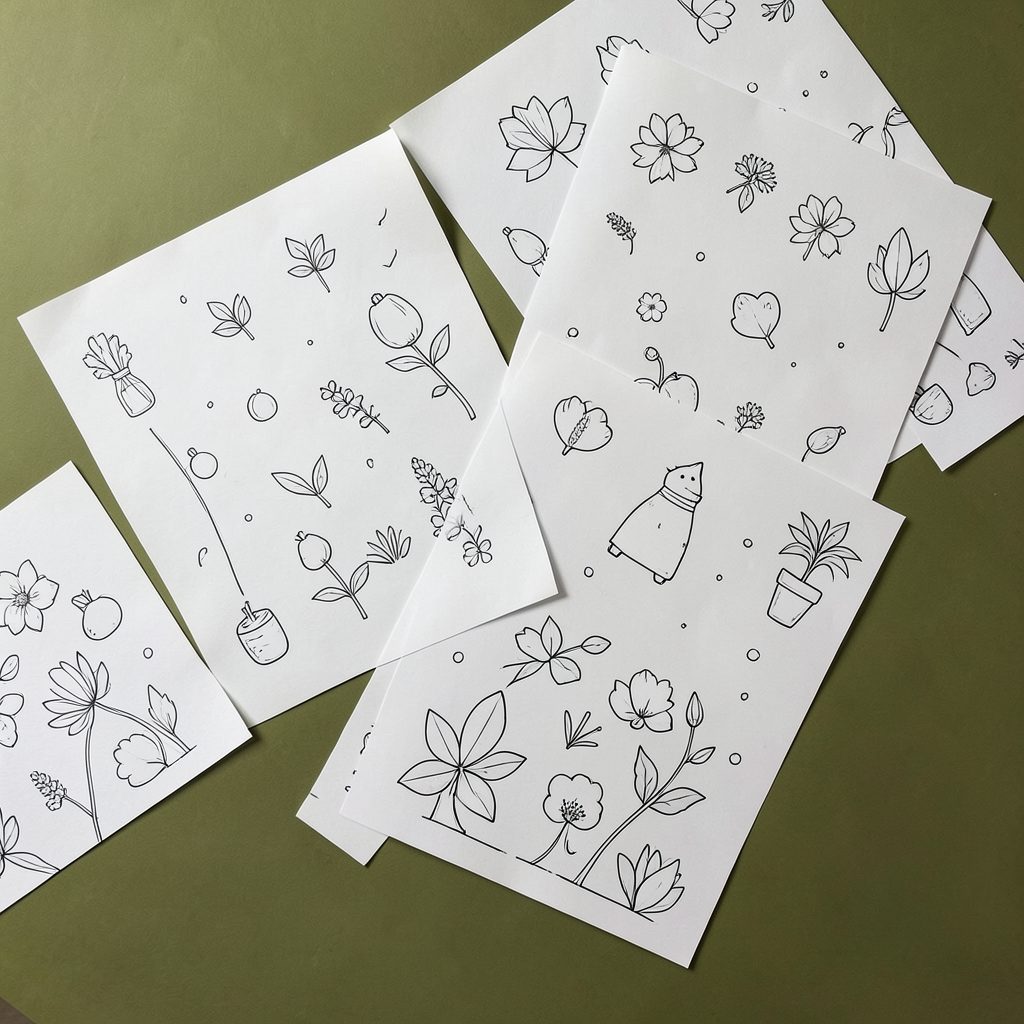
Most colouring sheets work well on standard A4 paper, which is widely used in Australian homes and schools. Choose “fit to page” in the print settings and check the preview before using colour ink. Black-and-white printing is often enough, especially when children will add their own details.
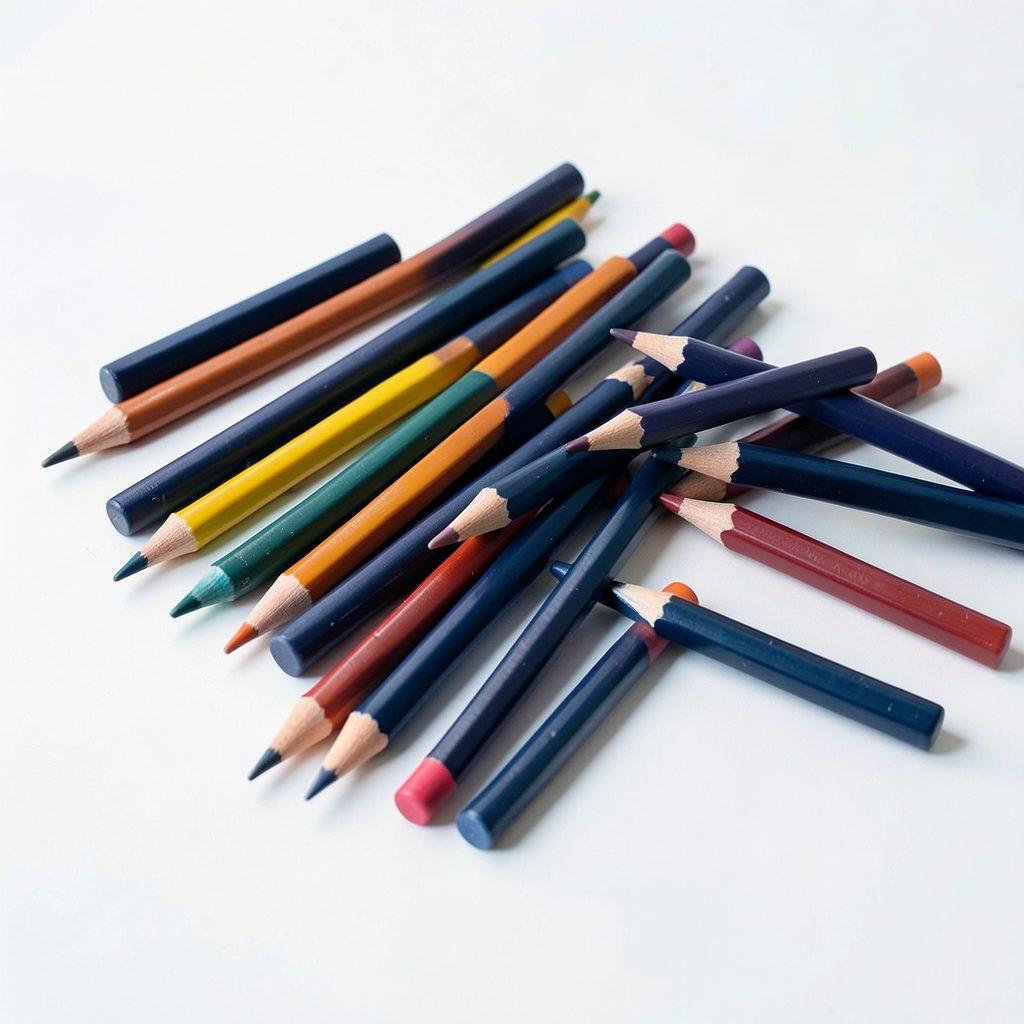
Families may prefer pencils, crayons or washable markers depending on the child’s age and the available space. A plastic folder keeps unfinished work together, while a clipboard makes colouring easier during a long car trip or a visit to grandparents. Teachers can print a small class set and reuse laminated copies with whiteboard markers.
The Australian Curriculum provides broad learning areas that can help educators connect a colouring page with classroom goals, but the activity does not need to become complicated. A simple instruction such as “colour, label and tell” can combine visual arts, speaking and subject knowledge in one manageable task.
Seasonal designs can add variety during school breaks. For a festive literacy or classroom display activity, children can colour Christmas tree pages, write a descriptive sentence and identify shapes such as stars, circles and triangles in the picture.
Choosing suitable pages and materials
The best design depends on the learner’s age, motor skills and purpose. Large open sections suit preschoolers, while detailed illustrations can challenge older primary students. Look for clear outlines, readable text and enough white space for writing or labelling.
| Learning focus | Suitable page features | Follow-up activity |
|---|---|---|
| Early maths | Numbers, counting objects, shapes and patterns | Count, sort or explain the pattern |
| Reading skills | Letters, words, books and story scenes | Read aloud, trace or write a caption |
| Science | Animals, plants, weather and space | Label parts or record one fact |
| Fine motor control | Large outlines and simple pictures | Practise steady colouring and grip |
| Creative expression | Open scenes and familiar characters | Add a background or invent a story |
Before printing multiple copies, check whether the page is clear at home printer quality and whether the paper suits the chosen materials. Under Australia’s Copyright Act 1968, copying and sharing creative works can have limits, so families and schools should follow the website’s stated permissions and avoid selling or redistributing downloaded files.
Simple ways to make each page educational
A colouring sheet becomes more valuable when it includes a small amount of conversation, movement or writing. Keep instructions short and allow children to make creative choices after completing the learning task.
- Ask children to explain one colour or answer they selected.
- Add a counting, spelling or labelling challenge.
- Connect the picture with a book, object or outdoor observation.
- Display finished work and invite children to describe it.
- Save favourite pages in a learning folder for later review.
Also Discover
A Legacy in Contemporary Art
Beyond coloring pages, presentcontemporaryart has a history as an association of art collectors and patrons — Associazione di Collezionisti e Mecenati. The organization promoted international exhibitions connecting Chinese, Italian, and international artists, with past events in Shanghai and Berlin.



Ready to Start Coloring?
Browse the full collection of free printable coloring pages — all just a click away.
View All Coloring Pages